

HIA Image
Press Release: HIA Named Top 3 Hotel Accounting Software 2026!
Hotel ERP and Accounting Software Logo Hotel ERP and Accounting Software Logo
  • Home
  • Platform
    • Hotel ERP Platform
    • Hotel Integrations
  • Features By Role
    • For Finance Teams
    • For Operations
    • For Executives
    • For Owners
  • About Us
    • Executive Team
    • Acumatica
    • Awards
    • Board of Directors
    • Support
    • Careers
    • Contact Us
  • Resources
    • Blog
    • In The News
    • Customer Stories
    • Guides & Downloads
    • Videos
Request A Demo

AI-Driven BI Is Finally Giving Hotel Reporting Context

June 4, 2026
By Jaime Goss
  • AI
  • Business Intelligence
  • Features: Executives
  • Features: Operations
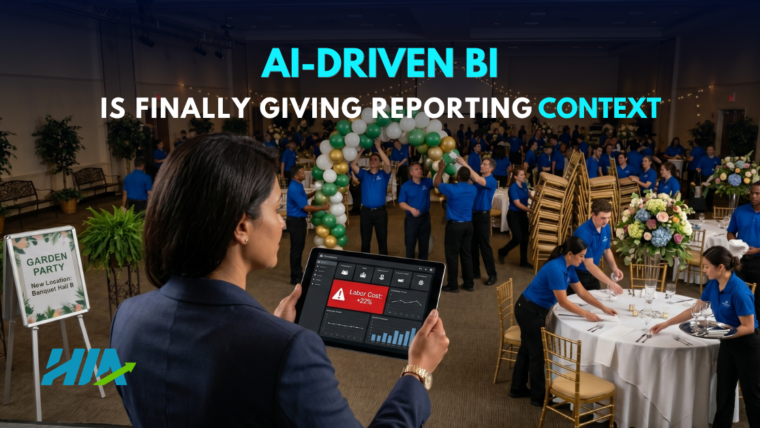
AI-Driven BI (Business Intelligence) is finally giving hotel reporting context

One of the major focuses for hoteliers this past decade has been to get more visibility across their portfolios. And in many ways, they succeeded. Regional VPs can open a portfolio dashboard and instantly see occupancy declines, labor variances, softer pace, or unexpected shifts in GOP.

But just because they can see what happened doesn’t mean they can see why it happened. That’s because most of the critical context that explains every dip and spike in the P&L doesn’t exist on a dashboard. It lives in the heads of their GMs and experienced operators. 

Even the best tools and dashboards had no way to account for this hidden source of truth these leaders possess…until now. AI-driven business intelligence (BI) is giving hotel operators a way to make their operational knowledge a direct part of the reporting layer itself. 

Why Context Never Makes It Into The Dashboard

Up until now, the only way to bridge the gap between what a GM knows and what a dashboard shows was through operational workarounds. 

The Nashville GM makes a note for the month-end report to explain why the CMA Fest date shift is going to distort the pace. A regional leader follows up during a forecast call. The Denver GM knows exactly what weak snowpack does to weekend leisure demand, so they’ve been closely monitoring snowfall reports since December. Emails are sent, and management has to continually explain the market conditions based on current weather patterns. 

But every time someone opens a dashboard, sees a variance, and asks for an explanation, the same conversations have to happen over and over again because the reporting layer never retained any of that operational history in a meaningful way. 

And if a seasoned GM or operational leader leaves, years of market-specific intelligence often leave with them. The dashboard still shows the numbers, but the operational understanding that once made those numbers meaningful is suddenly much harder to recover.

What Corporate Sees Without Context 

This might be the most frustrating part for regional VPs and ownership groups. They know that the dashboards aren’t technically wrong. The numbers showing labor running hot, or occupancy softening, or GOP missing budget, are happening across their properties. They just don’t get the story about what’s causing it without having to make a phone call. 

It’s not like they’re trying to second-guess their GMs. They trust that they’re making the right calls. But without the context sitting behind those variances, it becomes very difficult to tell the difference between an operational problem and a market issue that the property is already managing appropriately. 

Instead of having a system in place that lets that context become part of the portfolio’s shared operational intelligence, it disappears once the conversation ends. 

What AI-Driven Context Actually Changes 

AI is already making waves in the industry, and many hospitality leaders are genuinely excited about how they can apply it to their BI systems. Not to replace human judgment, but to enhance it. In many ways, it’s like adding a shared operational file cabinet directly into the BI layer. GMs and experienced operators can feed market knowledge that existed in their memories, notes, and conversations directly into the system, allowing it to become a reusable asset for the organization. 

And that changes the equation in a few important ways. 

Firstly, it speeds up communication. Teams no longer have to spend precious hours at month-end sorting through pages of reporting to put together an explanation of why performance shifted. An AI-driven BI platform can work seamlessly alongside workflows like the rolling T12 or daily flash reports to surface that context automatically. So, a Nashville variance report would already reflect the shifted CMA Fest dates this year. This helps operators move away from acting as historical transcribers to leaders who can spend more time making decisions.

Next, it makes property-level knowledge visible across the portfolio automatically. Instead of leadership needing to gather updates property by property, AI strategy briefs can be layered directly into OTB and pace reporting. This allows leadership to instantly see property-level analysis, alerts, and recommendations across regions rather than relying on separate conversations for every variance. 

Lastly, it preserves operational history over time. Operational context, like the GM Critique, that once disappeared after month-end can become part of a living operational record that leadership can reference and learn from over time. By automatically preserving these records inside the platform, the organizational intelligence survives personnel turnover, keeping historical P&L variances clear for whoever steps into the role next.

The GM’s Role in a Context-Enriched BI Environment 

As you can imagine, the GM’s role is critical to make this system work better. The value experienced operators bring to a property has never just been their ability to read reports. It’s their understanding of the market, their judgment, and their ability to recognize the difference between a temporary anomaly and a real operational issue.

Strong GMs have always carried enormous amounts of market intelligence in their heads. The problem was never the lack of knowledge. The problem was that organizations had no scalable way to retain and distribute it. 

AI-driven BI gives it somewhere to live and travel. So now, the conversations can move from “What happened here?” to “What should we do next?”

The real shift here is that the organization stops rebuilding the same operational narrative every month.

The regional VP opening the dashboard no longer sees disconnected variances that require three follow-up calls to interpret. The context surrounding those numbers is already traveling with the reporting itself. The Nashville pace variance already reflects the CMA Fest shift. The Denver pace reporting already surfaces the snowfall conditions impacting demand. The Phoenix budget comparison already carries the operational context around convention center renovations. 

That’s the future AI-driven BI platforms, like HIA, are building toward. If you want to see what portfolio reporting looks like when the operational story stays attached to the numbers, request a demo to see it in practice. 

Jaime Goss
Jaime Goss

Jaime Goss has over a decade of marketing experience in the hospitality industry. At Hotel Investor Apps, Jaime heads up marketing initiatives including brand strategy, website design, content, email marketing, advertising and press relations.

« Why Back Office Fundamentals Still Matter in the Age of AI

Recent Posts

Why back office fundamentals still matter in the age of AI

Why Back Office Fundamentals Still Matter in the Age of AI

May 20, 2026
How AP Automation Turns Invoice Processing into Negotiation Leverage

How AP Automation Turns Invoice Processing Into Negotiation Leverage

May 7, 2026

In The News

Hospitality Net: AI in Hotel Accounting - Separating Table Stakes from the Next Wave

AI in Hotel Accounting: Separating Table Stakes from the Next Wave

April 15, 2026
Hotel Management: How AI Can Change the Hotel Back Office

Assist. Automate. Elevate. The AI Transformation of Hospitality’s Back Office Is Underway

April 1, 2026

Case Studies

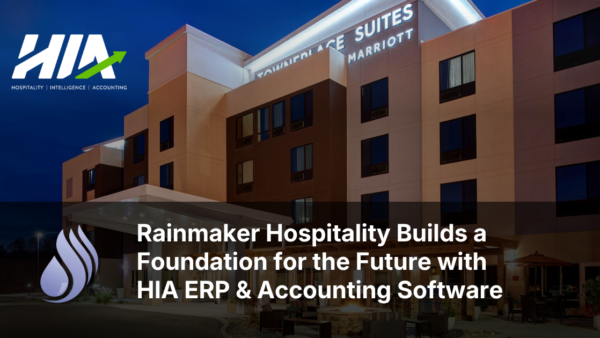
Rainmaker Hospitality Builds a Foundation for the Future with HIA ERP & Accounting Software

Rainmaker Hospitality Builds a Foundation for the Future with HIA ERP & Accounting Software

May 4, 2026
Platform Business Advisors scales smarter with HIA Hospitality ERP

Platform Business Advisors Scales Smarter with HIA Hospitality ERP

March 26, 2026

Downloads

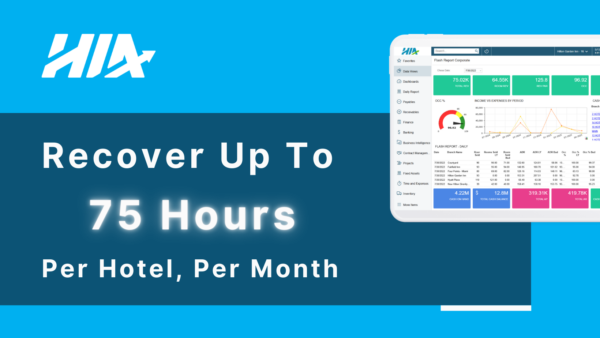
Recover Up to 75 Hours Per Hotel Per Month

Recover Up To 75 Hours Per Hotel, Per Month

December 15, 2025
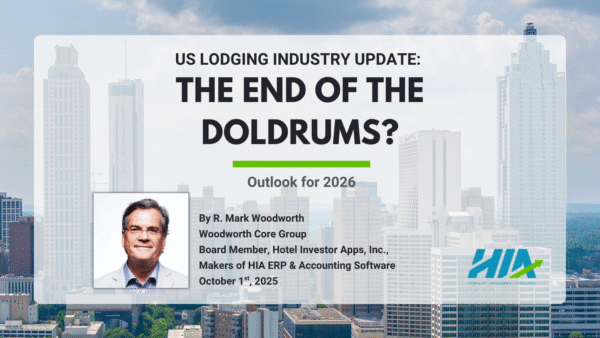
US Lodging Industry Update: The End of the Doldrums? Outlook for 2026 by R. Mark Woodworth

Outlook for 2026 – The End of the Doldrums?

October 22, 2025

Recent Videos

GOP Flex and Flow-Through Dashboard

New Feature – GOP Flex and Flow-Through Dashboard

April 2, 2026

8 Ways To Use AI In Hotel Accounting

May 27, 2025
HIA - Hospitality Intelligence Acconuting Logo HIA, A Product Of © Hotel Investor Apps Inc.
All rights reserved.

  • Website Terms Of Use
  • Privacy Policy
  • Application Privacy Policy
  • Contact Us
Award
2025 Travel and Hospitality Top Hotel ERP Solution
Award
2025 Acumatica Excellence Award Vertical Innovation
Award
2026 Acumatica Excellence Award Vertical Innovation
Award
2026 HTR Finalist Best Hotel Accounting Software
Award
Level 1 Certfied Customer Support
10 Years
10 Years of Empowering Hotel Management Excellence