

HIA Image
Press Release: HIA Named Top 3 Hotel Accounting Software 2026!
Hotel ERP and Accounting Software Logo Hotel ERP and Accounting Software Logo
  • Home
  • Platform
    • Hotel ERP Platform
    • Hotel Integrations
  • Features By Role
    • For Finance Teams
    • For Operations
    • For Executives
    • For Owners
  • About Us
    • Executive Team
    • Acumatica
    • Awards
    • Board of Directors
    • Support
    • Careers
    • Contact Us
  • Resources
    • Blog
    • In The News
    • Customer Stories
    • Guides & Downloads
    • Videos
Request A Demo

Why Back Office Fundamentals Still Matter in the Age of AI

May 20, 2026
By Chip Fritsch, COO
  • AI
  • Accounting software
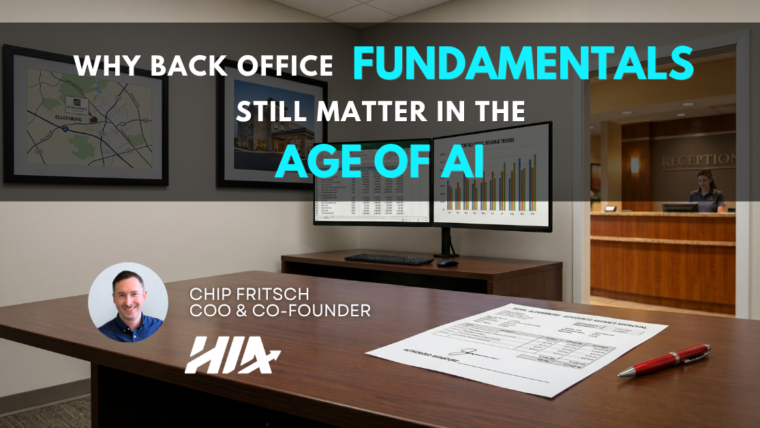
Why back office fundamentals still matter in the age of AI

There’s a pattern I’ve started to notice with my recent conversations with hotel finance teams. Many know they have to address the fragmented systems that are causing delays, but they’re taking more of a “wait and see” approach instead of making fundamental changes to consolidate the data. Why? Because AI is evolving really quickly right now.

Leaders hope that they can hold out long enough that AI will be able to solve all their interconnectivity problems when the dust settles. So they adopt temporary measures like AI assistants to help aggregate data, create consolidated views, and analyze reports. 

It’s a quick fix for the siloed data problems they’re facing right now. But is it actually helping set them up for what’s to come?

Key Takeaways
  • Waiting for AI to “solve everything” might feel strategic, but skipping foundational systems and workflows only makes future transitions harder.
  • AI can help surface data more quickly, but if the underlying data is fragmented or inconsistent, you’re just accelerating a flawed process.
  • If your data isn’t structured at the source, you’re always playing catch-up.
  • AI doesn’t replace accountability.

The Fundamental Problems With Trying to Leapfrog

On the surface, the “wait and see” approach to technology feels like a cost-effective, low-risk strategy. And I get it. There’s a lot changing right now, and it’s not always clear what’s actually going to stick or what’s just part of the cycle.

So it can feel like a safer bet to give it some time, use what you can, and don’t overcommit. But that’s like applying duct tape to an engine that’s already struggling to keep up. Even if the output looks better and reports come out fancier, underneath it you’re still dealing with the same issues of the reliability of the data and the efficiency in your processes and workflows.

When it comes time to finally make the shift to the newest technology, you’ll find out that you’re not actually ahead; you’re risking: 

1. Missing the incremental steps that actually make the next system work.

Leapfrogging works on the assumption that you can just jump into the newest financial technology without groundwork. In actuality, by not adopting modern accounting technology today you miss out on learning how to work with it to make your processes and workflows as effective as they can be. You’re also probably foregoing proven automation capabilities (like AP automation, smart banking, daily PMS reconciliation, anomaly detection, etc.) that are already delivering value for teams running them today.  

2. Building around the problem instead of fixing it.

AI assistants might help you surface the data faster, but they don’t change how that data is created, structured, or governed. Instead of building a foundation for clean, centralized data from the start, you end up just trying to drag out the useful life of a system you already know isn’t built to support where you’re going. If the foundation is flawed today, it’s still going to be flawed tomorrow.

3. Creating a fragile, DIY system that’s harder to maintain.

These setups are often a collection of connectors, agents, and processes like a house of cards, each depending on the others . If one system changes, a tool gets updated, or they decide to sunset it, you have to go back and rebuild each agent, each process. What was supposed to be a flexible option quickly becomes a new responsibility requiring manual updates to maintain. 

4. Losing clarity on accountability and introducing audit gaps.

In many cases, teams are operating on trust that an AI agent is performing the data analysis correctly. The output might look really clean, but AI may not understand certain contexts and nuances that run in your business operations. So what happens when the AI can’t do that and makes a mistake? How is that data getting validated? Who is ultimately taking accountability? Because at the end of the day, someone always has to own the numbers, and AI doesn’t take that off your plate.

What Getting Back to Fundamentals Actually Means

If you really want to solve the problems that this approach is trying to work around, then you need to go back to the basics. That starts with taking a good look at how your back office is actually operating today.

  • Where is your data coming from? 
  • How is it structured?
  • What processes do you have in place to validate it?

Without a modern system underneath to ensure the data is clean, consistent, and reliable, it won’t matter what DIY accounting tool teams build to try and patch the problem. They’re only going to end up creating yet another workaround. 

The good news is, modern ERP and accounting platforms are already building with an AI-first strategy, so you get both the fundamentals plus the newest tools for your data.

To go back to the fundamentals, you have to have structure and controls in place that allow accounting teams to move away from sifting through piles of data to actually making the decisions that keep the business running. And that starts with:

  • A unified chart of accounts that lets you compare apples to apples across properties, without having to rebuild reporting as you grow.
  • A global vendor structure that gives you clear visibility into spend across the portfolio instead of having to aggregate it after the fact.
  • A unified view of all your financial reporting that’s already standardized and allows you to analyze performance consistently across properties
  • Clear, repeatable workflows that define how data is captured, validated, and reported.

These are what lay the foundation for clean, accurate reporting that AI can then augment. When you don’t have to reconstruct data or second-guess outputs, you can just run the report and trust what you’re seeing. 

And right now, there’s a strategic advantage in laying a foundation for your teams to build on. With a market like this, the focus has shifted from growth at any cost to finding ways to operate smarter. 

If you want to be positioned to scale when demand strengthens again, then now is the time to get your fundamentals in place. If you want to see how this works in practice, you can explore how HIA brings structure, visibility, and automation together in one system.

Chip Fritsch, COO

Co-founder and COO

Chip Fritsch, instrumental in overseeing HIA’s daily operations, brings 15+ years of hospitality industry experience to his role. His responsibilities span from product development to business growth strategies and client onboarding. A former full-service hotel General Manager, Chip knows the in-and-outs of hotel operations and that motivates him to develop new products and services to best support hoteliers. The past 7 years have seen Chip immersed in hospitality software where he has been pivotal in helping HIA win the Acumatica Development Award.

« How AP Automation Turns Invoice Processing Into Negotiation Leverage

Recent Posts

How AP Automation Turns Invoice Processing into Negotiation Leverage

How AP Automation Turns Invoice Processing Into Negotiation Leverage

May 7, 2026

Fresh Features: HIA’s Q1 2026 Software Enhancements

April 30, 2026

In The News

Hospitality Net: AI in Hotel Accounting - Separating Table Stakes from the Next Wave

AI in Hotel Accounting: Separating Table Stakes from the Next Wave

April 15, 2026
Hotel Management: How AI Can Change the Hotel Back Office

Assist. Automate. Elevate. The AI Transformation of Hospitality’s Back Office Is Underway

April 1, 2026

Case Studies

Rainmaker Hospitality Builds a Foundation for the Future with HIA ERP & Accounting Software

Rainmaker Hospitality Builds a Foundation for the Future with HIA ERP & Accounting Software

May 4, 2026
Platform Business Advisors scales smarter with HIA Hospitality ERP

Platform Business Advisors Scales Smarter with HIA Hospitality ERP

March 26, 2026

Downloads

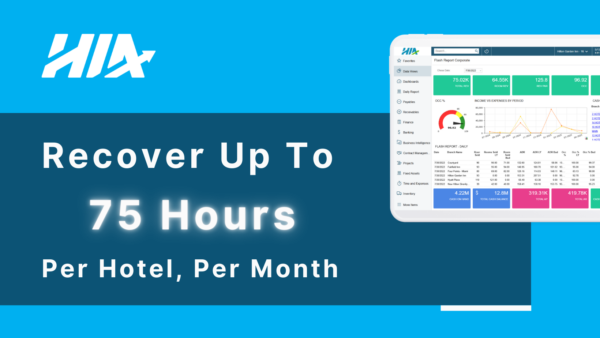
Recover Up to 75 Hours Per Hotel Per Month

Recover Up To 75 Hours Per Hotel, Per Month

December 15, 2025
US Lodging Industry Update: The End of the Doldrums? Outlook for 2026 by R. Mark Woodworth

Outlook for 2026 – The End of the Doldrums?

October 22, 2025

Recent Videos

GOP Flex and Flow-Through Dashboard

New Feature – GOP Flex and Flow-Through Dashboard

April 2, 2026

8 Ways To Use AI In Hotel Accounting

May 27, 2025
HIA - Hospitality Intelligence Acconuting Logo HIA, A Product Of © Hotel Investor Apps Inc.
All rights reserved.

  • Website Terms Of Use
  • Privacy Policy
  • Application Privacy Policy
  • Contact Us
Award
2025 Travel and Hospitality Top Hotel ERP Solution
Award
2025 Acumatica Excellence Award Vertical Innovation
Award
2026 Acumatica Excellence Award Vertical Innovation
Award
2026 HTR Finalist Best Hotel Accounting Software
Award
Level 1 Certfied Customer Support
10 Years
10 Years of Empowering Hotel Management Excellence