

HIA Image
Press Release: HIA Launches 4 AI Features Built Natively into its Hospitality ERP
Hotel ERP and Accounting Software Logo Hotel ERP and Accounting Software Logo
  • Home
  • Platform
      Hospitality Accounting & Operations
    • AI-Powered Platform
      Backoffice Automations

    • Hotel ERP Platform
      Ops & Accounting Clarity

    • Integrations
      60+ Hospitality Specific
    • Features & Capabilities
      Built for Hotels

    • GSS Analysis
      Rep Mgmt, Comp Sets, Rate Intel
    • Business Intelligence
      Your Whole Hospitality Timeline
    • Mobile App
      Your Backoffice in Your Pocket
  • Features By Role
    • For Finance Teams
    • For Operations
    • For Executives
    • For Owners
  • About Us
    • Executive Team
    • Acumatica
    • Awards
    • Board of Directors
    • Support
    • Careers
    • Contact Us
  • Resources
    • Blog
    • In The News
    • Customer Stories
    • Guides & Downloads
    • Videos
Request A Demo

Hotel Revenue Management Software: What Hotels Need Before They Forecast

August 6, 2026
By Hopper Flynn
  • Revenue Management
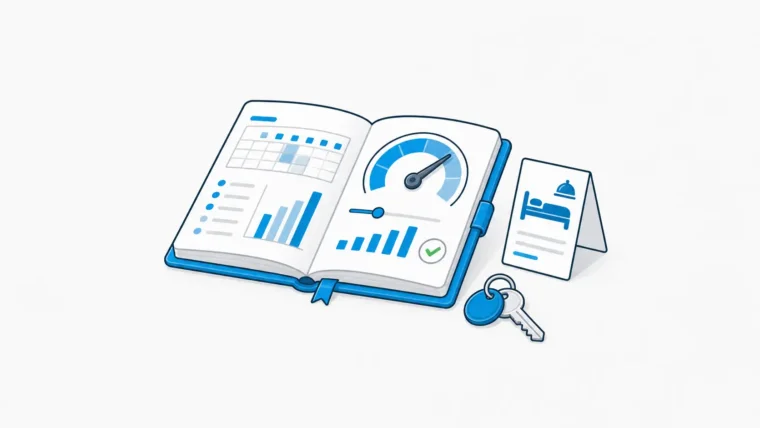
Featured image for hotel revenue management software showing an open forecasting folio, pricing gauge, card tent, and room key without a hotel building.

Hotel Revenue Management Software: What Hotels Need Before They Forecast

Hotel revenue management software should help teams see demand before it becomes a surprise. But for many hotels, pace reports, pickup, budgets, accounting actuals, and owner reporting still live in different places. That makes every forecast harder to trust. This guide explains what revenue tools need to connect before pricing, budgeting, and portfolio decisions can move with confidence.

What Is Hotel Revenue Management Software?

Hotel revenue management software helps hotels forecast demand, manage pricing decisions, track on-the-books business, monitor booking pace, and compare performance against budget or market expectations.

For a single-property team, that may mean watching future occupancy, ADR, RevPAR, group pickup, and segment mix. For a portfolio team, it also means understanding which hotels are ahead, which are behind, and whether the gap is coming from demand, rate, mix, reputation, or operational assumptions.

The best hotel revenue management software does not sit apart from finance. It connects forward-looking revenue work to the accounting and reporting systems the business already uses.

That is where HIA’s business intelligence story matters. HIA frames BI around the full hotel timeline: what happened, what is happening now, and what is likely to happen next.

Why Revenue Teams Need More Than A Pricing Tool

Pricing matters, but hotel revenue performance is not only a rate decision. Revenue managers also need to know whether demand is building, whether groups are materializing, whether budgets still make sense, and whether the property is pacing ahead or behind the plan.

That work gets messy when the data is scattered.

Pace Without Context Creates False Confidence

A pace report can show that rooms are booking faster than last year. That does not automatically mean the hotel is healthier.

The team still needs to know which segments are driving pickup, how rate is holding, whether group blocks are realistic, and whether the budget assumed a different business mix. Without that context, a strong-looking pace number can hide a margin or mix problem.

Hotel revenue management software should bring those signals together instead of forcing the team to reconcile them manually.

Forecasts Need To Connect To The Budget

Forecasting is only useful when the organization can compare it against a plan. Revenue managers may revise expectations every week, while finance teams still need a reliable budget, variance story, and owner-facing explanation.

If the forecast lives in one spreadsheet and the budget lives in another system, the hotel loses the thread.

HIA’s hotel ERP platform gives this discussion a different foundation because the forecast and budget conversation can connect back to the same hospitality ERP environment used for accounting and reporting.

Market Data Alone Does Not Explain Performance

External market data is useful. It helps teams understand whether a hotel is moving with the market or drifting away from it.

But market data does not explain everything. A property may underperform because of pricing, reputation, segment mix, labor pressure, group wash, or a data problem inside the reporting workflow.

CBRE reported that U.S. hotel occupancy rose 0.8% year over year in Q1 2026, with ADR up 2.2% and RevPAR up 3.8%. Source

Those modest gains make the point: small changes in rate, occupancy, and mix can matter a lot. Teams need a system that can explain the movement, not just report it after the month closes.

The Workflows Hotel Revenue Management Software Should Own

A useful revenue platform should support the decisions revenue managers, GMs, finance leaders, and owners make every week.

OTB And Pace Visibility

On-the-books and pace reporting show what business is already committed, where pickup is happening, and how the hotel is pacing against prior periods or plan.

Good hotel revenue management software should help teams:

  • Track occupancy, ADR, RevPAR, and room revenue by future stay date
  • Compare current pace against budget, forecast, and prior periods
  • See pickup by segment, property, region, or brand
  • Identify demand gaps early enough to act
  • Share the same view with finance, operations, and ownership

HIA’s OTB and pace positioning fits this operating need because the revenue view is tied to broader hospitality BI rather than treated as a separate reporting island.

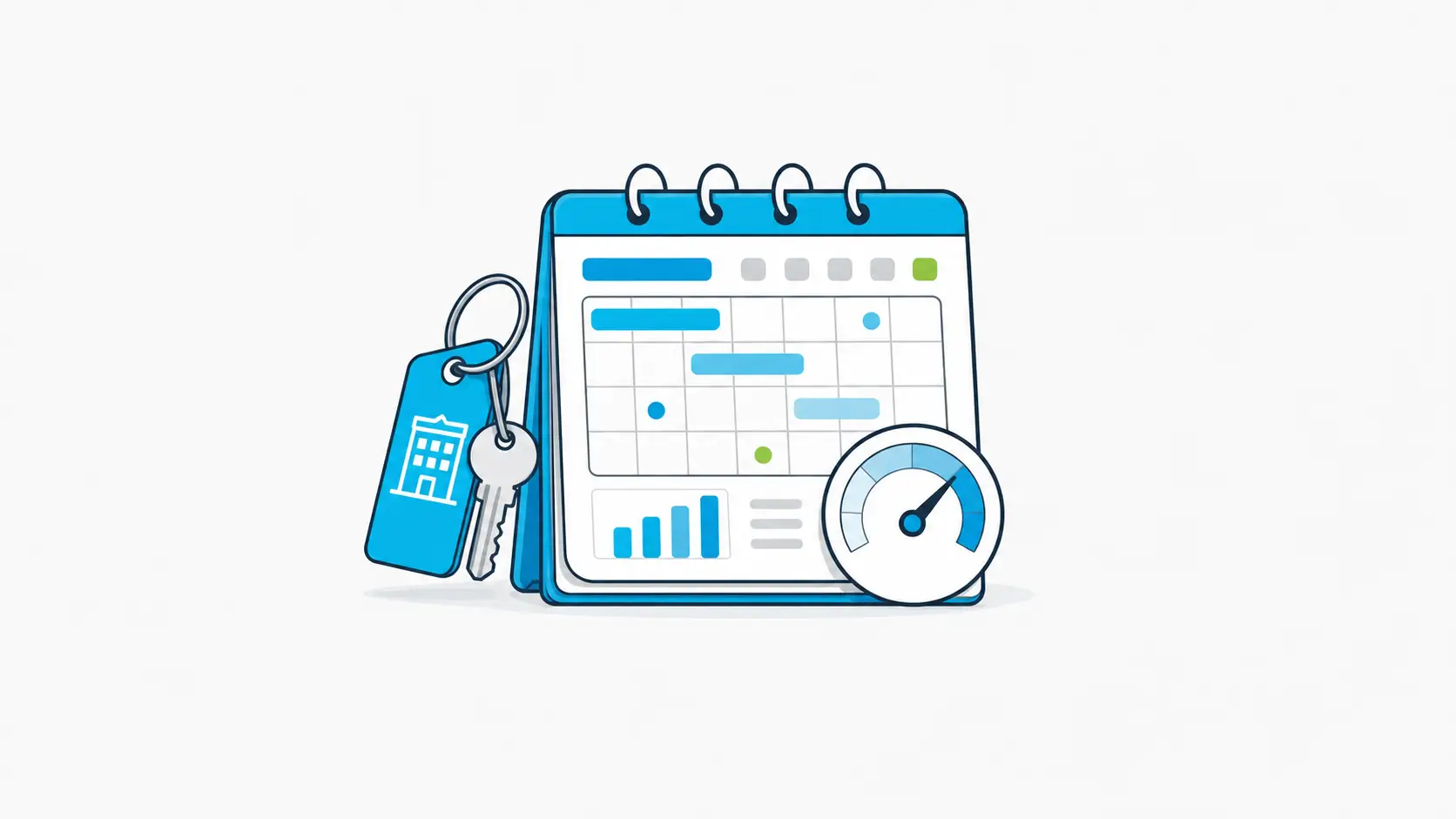
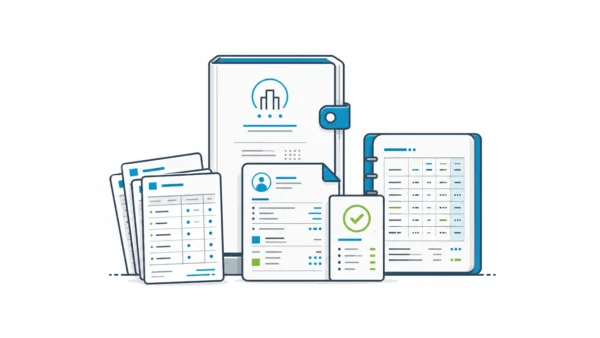
Hotel revenue management software on-the-books calendar folio with a room key and forecast gauge.

Forecasting And Budget Variance

Forecasts should change as demand changes. Budgets should still remain clear enough for ownership and finance teams to understand variance.

That means the system has to hold both truths: the original plan and the updated operating expectation.

The American Hotel & Lodging Association’s 2026 State of the Industry projects direct hotel operations employment at about 2.2 million, with wages and benefits nearing $131 billion in 2026. Source

That labor backdrop makes forecast quality more important. Revenue movement affects staffing, expense control, cash planning, and owner communication. A disconnected forecast can create work for every department downstream.

Group Pickup And Segment Mix

Group business can change a forecast quickly. A block may look healthy on paper, then wash down. Transient demand may need to replace it. Corporate, leisure, OTA, direct, and group mix may all carry different rate and margin implications.

Hotel revenue management software should make segment movement visible before the weekly revenue meeting becomes a spreadsheet debate.

Look for the ability to review group pickup, room blocks, booked rooms, ADR, revenue, and forecast assumptions in one place. For portfolio teams, the system should also help compare hotels without forcing each property to maintain its own version of the truth.

Comp-Set, Reputation, And Rate Context

Revenue decisions do not happen in a vacuum. The hotel’s reputation, guest sentiment, competitor rates, and market position all shape pricing power.

HIA’s public GSS Analysis page is relevant here because it connects reputation and competitive intelligence to hotel decision-making. Current public positioning includes review aggregation, sentiment analysis, competitor review intelligence, alerts, and rate-positioning context.

That does not replace revenue strategy. It gives the revenue team more context for why demand may be soft, why rate resistance may be appearing, or why a competitor is winning share.

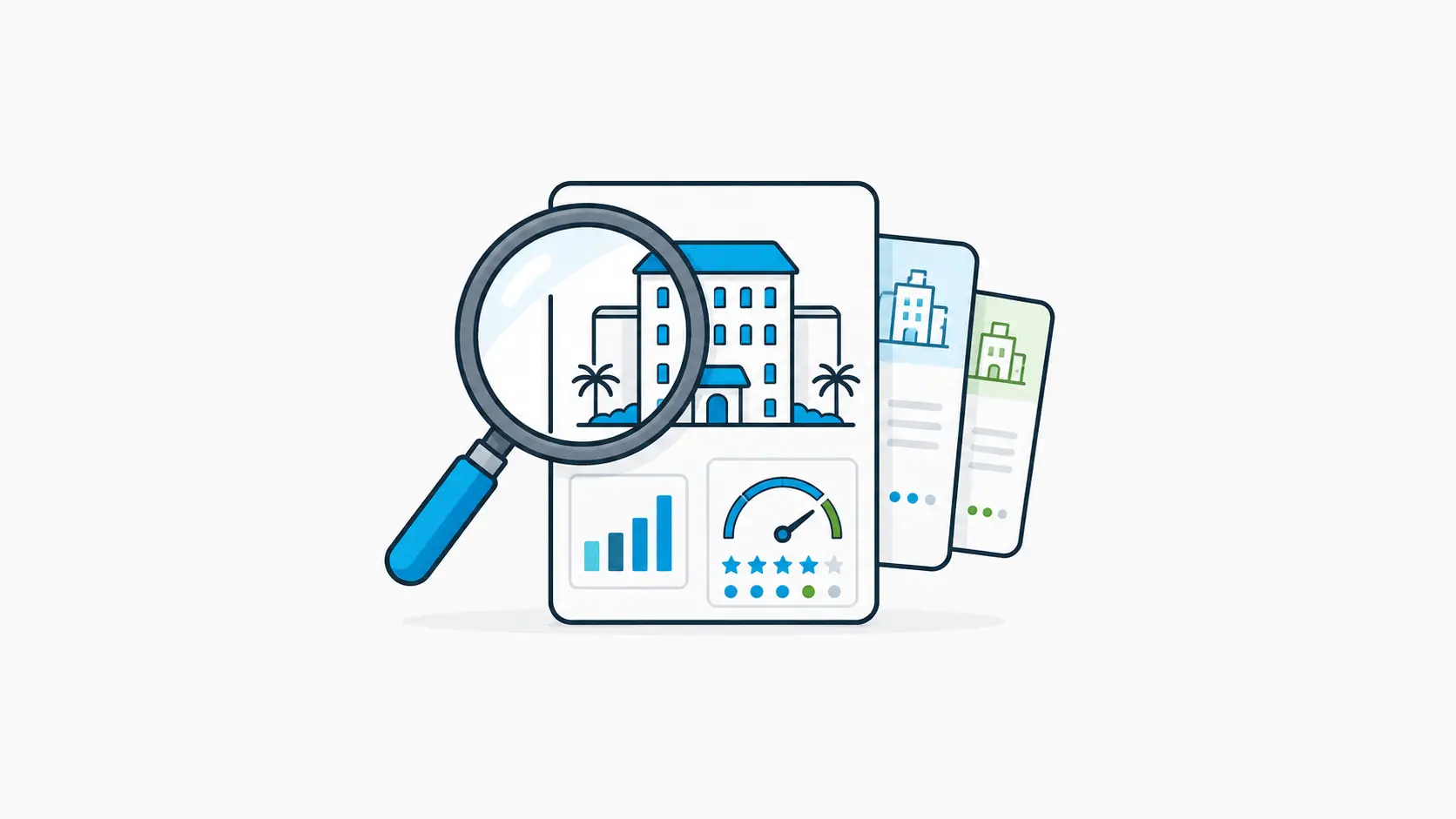
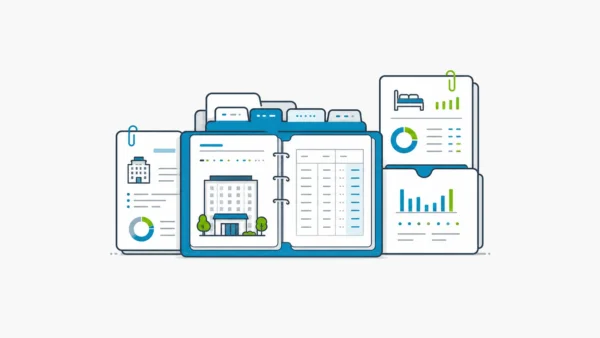
Hotel revenue management software market context lens showing a hotel property card with rate and reputation signals.

Finance And Owner Reporting

Revenue software should not make finance translate the story by hand.

Owners and asset managers want to know whether the hotel is ahead or behind, why the variance exists, and what management is doing about it. Controllers need the same story to line up with actuals, budget, and close reporting.

The Uniform System of Accounts for the Lodging Industry matters because hotel performance is reported through a lodging-specific financial structure. HFTP notes that the 12th Revised Edition focuses on reporting transparency and has a mandatory adoption date of January 1, 2026. Source

Revenue management software should respect that financial context. The forecast should not be a separate language from the P&L.

What To Look For Before Choosing A Revenue Platform

Before a demo, ask questions that expose whether the software can support real hotel workflows.

  • Can the system show OTB, pace, forecast, budget, and variance in one view?
  • Does it support property, region, brand, and portfolio rollups?
  • Can revenue managers compare forecast revisions against the approved budget?
  • Does group pickup connect to the broader room revenue forecast?
  • Can finance teams use the same numbers for variance explanations?
  • How does the platform handle source data from PMS, accounting, BI, STR, and market systems?
  • Can owners see current performance without getting unnecessary accounting access?
  • Does the system explain changes by segment, market, or property?
  • Can teams export less because the working view already answers the question?
  • What implementation work is required to trust the data?

These questions are more useful than a feature checklist because they test whether the platform can support the meeting where decisions actually happen.

Where HIA Fits

HIA is built for hotel teams that need revenue intelligence to connect with accounting, business intelligence, and operations.

That matters because revenue decisions eventually become financial outcomes. A forecast affects staffing, purchasing, cash planning, owner reporting, and budget variance. If the revenue system cannot connect back to the hotel’s source of truth, the team ends up explaining numbers after the fact instead of managing them earlier.

HIA connects the relevant pieces:

  • Integrations for hospitality systems that feed daily operating and market data
  • Business intelligence for past, current, and forward-looking performance
  • Budgeting, forecasting, OTB, pace, and variance views inside the hospitality data foundation
  • Mobile access for quick visibility and approvals where appropriate
  • AI-powered workflow support where the data and permissions already live

The practical advantage is not that every team gets another dashboard. It is that revenue, finance, and ownership can work from the same version of the hotel’s performance story.

Customer feedback points to the same need for connected back-office visibility. In HIA’s public Hotel Tech Awards announcement, a project and asset manager described HIA as “one of the most valuable tools” in back-office operations and connected that value to accounting, reporting, automation, and integrations.

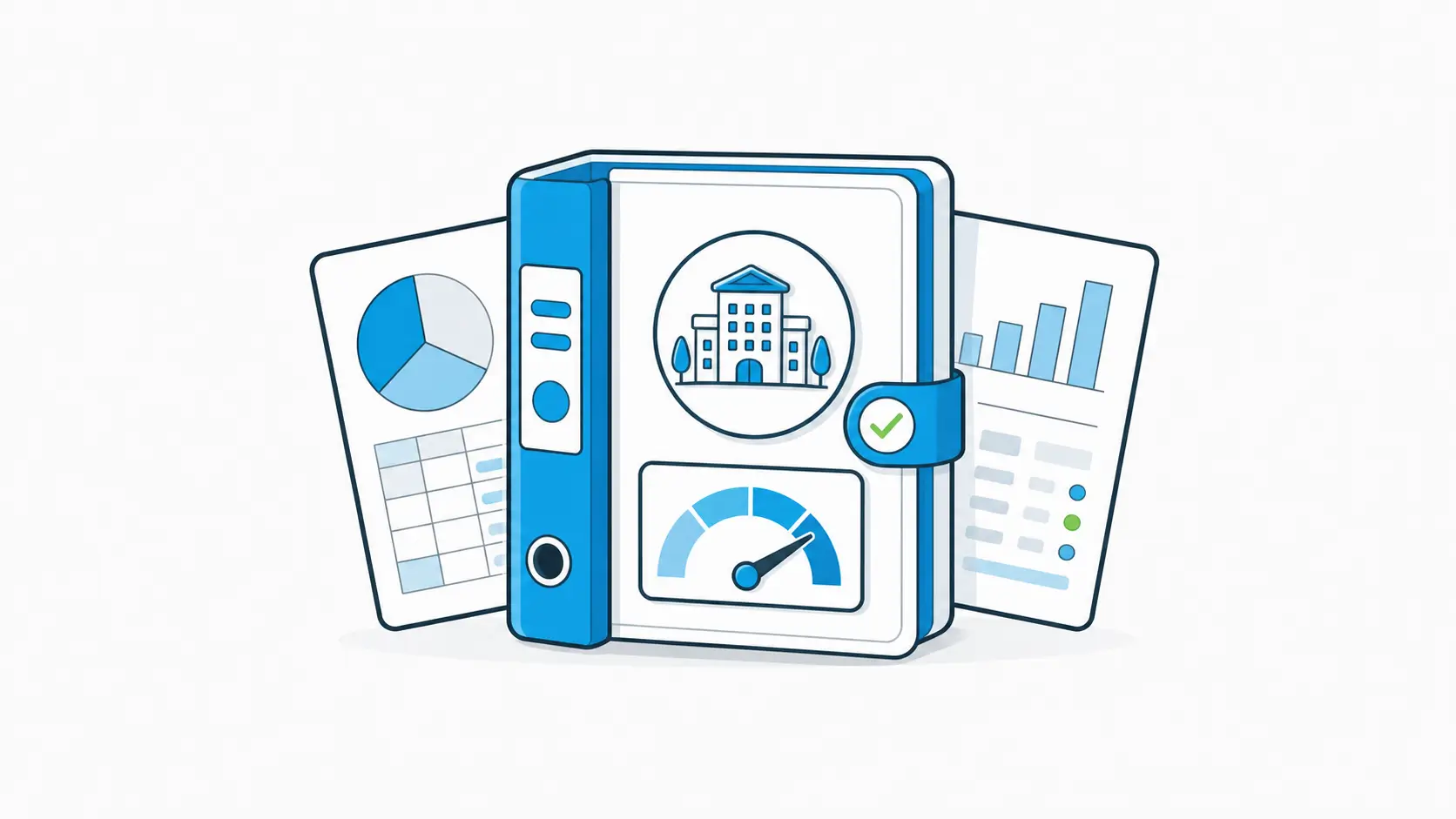
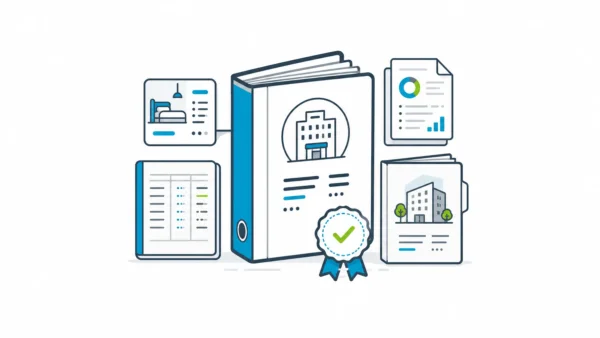
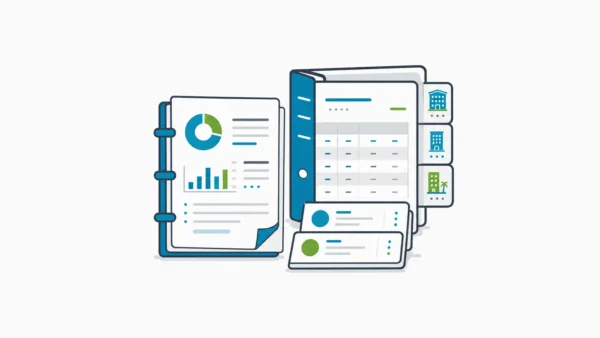
Hotel revenue management software source-of-truth binder with forecast, budget, and owner reporting sheets.

Key Takeaways

  • Hotel revenue management software should connect OTB, pace, forecast, budget, and variance work.
  • Pricing tools are not enough when finance, operations, and owners need the same performance story.
  • Market, comp-set, reputation, and segment context help teams explain why demand is moving.
  • Forecasts become more useful when they connect to the budget and accounting source of truth.
  • HIA fits hotel teams that want revenue intelligence, BI, integrations, and ERP-connected financial visibility in one hospitality foundation.

FAQ

What is hotel revenue management software?

Hotel revenue management software helps hotels forecast demand, monitor pace, manage pricing decisions, and compare expected performance against plan. It usually tracks metrics such as occupancy, ADR, RevPAR, room revenue, pickup, and segment mix. The strongest systems also connect those revenue views to finance and owner reporting.

How is hotel revenue management software different from hotel BI?

Hotel BI helps teams analyze performance across historical, current, and future views. Revenue management software focuses more directly on demand, pricing, forecasting, OTB, pace, and revenue decisions. In practice, the two work best together because revenue teams need BI context and finance teams need forecast visibility.

Why does OTB matter in revenue management?

OTB shows business already on the books for future dates. It helps teams understand committed demand before the stay date arrives. When OTB is paired with pace and forecast views, revenue managers can see whether the hotel is building demand quickly enough.

What is booking pace?

Booking pace measures how reservations are building over time for future stay dates. It helps hotels compare current demand against prior periods, forecast, or budget. Pace is useful because it gives teams time to adjust pricing, sales focus, and forecast assumptions before results are locked in.

Should revenue software connect to accounting?

Yes, especially for multi-property teams. Revenue forecasts eventually become budget variance, owner reporting, cash planning, and operating decisions. When revenue software connects to accounting and BI, teams spend less time reconciling versions and more time explaining what changed.

What should hotel owners see in revenue reporting?

Owners should see current and forward-looking performance without needing unnecessary accounting access. Useful views include OTB, pace, forecast, budget variance, ADR, RevPAR, occupancy, segment mix, and property-level drilldowns. Permissions matter because visibility should not weaken controls.

How does reputation data affect revenue management?

Reputation data can explain why a hotel may gain or lose pricing power. Guest sentiment, review trends, and competitor comparisons can reveal issues that rate and occupancy alone do not explain. That context helps revenue and operations teams decide whether the problem is demand, price, experience, or positioning.

What matters most for hotel groups?

Hotel groups need consistent property-level and portfolio-level views. The system should compare hotels by region, brand, segment, and budget while still allowing drilldown into individual property performance. Consistency matters because portfolio decisions break down when every property reports from a different spreadsheet.

Is HIA a hotel revenue management system?

HIA is a hospitality ERP and accounting platform with connected business intelligence and forward-looking revenue views such as OTB, pace, forecasting, budgeting, and variance analysis. It is best framed as a hospitality data foundation that helps revenue, finance, and ownership work from the same numbers. That distinction matters because HIA connects revenue intelligence to the accounting source of truth.

How should a hotel choose revenue management software?

Start with the decisions the team needs to make every week. Ask whether the system connects pace, OTB, forecast, budget, market context, segment mix, and owner reporting. The best fit is the platform that reduces spreadsheet reconciliation and gives revenue, finance, and operations a shared view of performance.

Request a demo

« Hotel Management Software: What Operators Need Before They Scale Hotel Software: What Operators Need Beyond the PMS »

Recent Posts

Native vs Third-Party AI: Why Two AI Solutions Can Give You Very Different Answers

Native vs Third-Party AI: Why Two AI Solutions Can Give You Very Different Answers

July 29, 2026
More AI, More Control: What Hotel GM's Should Expect From Automation

More AI, More Control: What Hotel GMs Should Expect From Automation

July 14, 2026

In The News

HIA Promotes Two Senior Leaders, Launches Dedicated Customer Success Department

July 2, 2026
HIA Launches 4 AI Features Built Natively into its Hospitality ERP

HIA Launches 4 AI Features Built Natively into its Hospitality ERP

June 17, 2026

Case Studies

Rainmaker Hospitality Builds a Foundation for the Future with HIA ERP & Accounting Software

Rainmaker Hospitality Builds a Foundation for the Future with HIA ERP & Accounting Software

May 4, 2026
Platform Business Advisors scales smarter with HIA Hospitality ERP

Platform Business Advisors Scales Smarter with HIA Hospitality ERP

March 26, 2026

Downloads

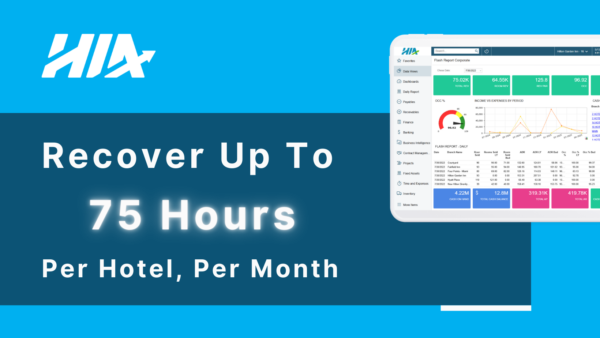
Recover Up to 75 Hours Per Hotel Per Month

Recover Up To 75 Hours Per Hotel, Per Month

December 15, 2025
US Lodging Industry Update: The End of the Doldrums? Outlook for 2026 by R. Mark Woodworth

Outlook for 2026 – The End of the Doldrums?

October 22, 2025

Recent Videos

3 Best Practices For a Success Hotel Accounting Software Implementation

3 Best Practices for Hotel Accounting Software Implementation

June 23, 2026

1-Minute HIA Overview

June 23, 2026
Hospitality accounting close binder with room revenue cards, AP approval stamp, bank drawer, and owner-reporting folio.

Hospitality Accounting: What Hotel Finance Teams Need From The Operating Day

August 11, 2026
Featured image for hotel operations showing a centered daily operations binder with flash report, labor, approval, and finance details.

Hotel Operations: How Operators Turn Daily Work Into Trusted Numbers

August 10, 2026
Featured image for hotel software showing a centered source-of-truth binder with room key, ledger sheet, approval stamp, and PMS card details.

Hotel Software: What Operators Need Beyond the PMS

August 7, 2026
Featured image for hotel management software showing a centered HIA editorial operations binder with room-key, approval, and portfolio details.

Hotel Management Software: What Operators Need Before They Scale

August 5, 2026
HIA - Hospitality Intelligence Acconuting Logo HIA, A Product Of © Hotel Investor Apps Inc.
All rights reserved.

  • Website Terms Of Use
  • Privacy Policy
  • Application Privacy Policy
  • Contact Us
Award
2025 Travel and Hospitality Top Hotel ERP Solution
Award
2025 Acumatica Excellence Award Vertical Innovation
Award
2026 Acumatica Excellence Award Vertical Innovation
Award
2026 HTR Finalist Best Hotel Accounting Software
Award
Level 1 Certfied Customer Support
10 Years
10 Years of Empowering Hotel Management Excellence