

HIA Image
Press Release: HIA Named Top 3 Hotel Accounting Software 2026!
Hotel ERP and Accounting Software Logo Hotel ERP and Accounting Software Logo
  • Home
  • Platform
    • Hotel ERP Platform
    • Hotel Integrations
  • Features By Role
    • For Finance Teams
    • For Operations
    • For Executives
    • For Owners
  • About Us
    • Executive Team
    • Acumatica
    • Awards
    • Board of Directors
    • Support
    • Careers
    • Contact Us
  • Resources
    • Blog
    • In The News
    • Customer Stories
    • Guides & Downloads
    • Videos
Request A Demo

Revenue Management for Hotels: 5 Best Practices to Boost Your Bottom Line

April 8, 2023
By Chip Fritsch, COO
  • Managing Expenses

In today’s competitive market, revenue management is key for hotels to optimize revenue opportunities. 

With digitally-savvy and cost-conscious travelers on the rise, hotels must maximize profits while providing top-notch service. 

That’s why we’ve put together five best practices for revenue management that can help hotels boost their bottom line.

From conducting competition analysis to implementing dynamic pricing and driving direct bookings, we’ll provide practical tips and insights that you can use to optimize your revenue strategies.

Key Takeaways
  • Keep an eye on competitors and compare your hotel’s performance to make smart decisions.
  • Simplify channel management with a helpful system to reach new markets and increase revenue.
  • Use dynamic pricing to adjust room rates based on demand and other factors.
  • Focus on driving direct bookings for stronger guest relationships and better control over pricing.
  • Combine your revenue management system (RMS) with a business intelligence (BI) tool for deeper insights and data-driven decisions.

5. Conduct Competition Analysis or Benchmarking 

Competition analysis and benchmarking are essential for understanding your position in the market, setting realistic targets, and making informed decisions about pricing and promotions. 

In order to stay competitive, it is important for your hotel to gather data on key performance indicators (KPIs) like occupancy rates, average daily rates, and revenue per available room (RevPAR).

While you can use tools like STR reports, market intelligence platforms, and social media monitoring to collect data, you can also tap into your RMS as it has the power to:

  • Automate data collection
  • Benchmark a hotel’s prices against competitors
  • Segment the market based on competitors’ pricing
  • Forecast demand based on competitors’ strategies
  • Provide competitive intelligence on pricing changes and revenue trends 

With this data, you can optimize pricing and revenue strategies, gain a competitive advantage, and choose between taking a reactive or proactive approach to the market. 

What’s the difference between reactive and proactive strategies?

Reactive strategies involve reacting to market fluctuations and outpricing competitors. In contrast, proactive strategies include using data to make forecasts and set rates. 

Both strategies can help businesses stay competitive in their market.

4. Streamline Channel Management

With the rise of online travel agencies (OTAs) and other booking platforms, managing your hotel’s distribution channels has become increasingly complex. 

But investing in a channel management system or choosing an RMS that has these capabilities is the key to reaching new markets, enhancing visibility, and boosting your bottom line.

Channel managers can: 

  • Automate rate and inventory updates across all platforms
  • Synchronize everything in real time 
  • Reduce the risk of overbookings
  • Help maintain a cohesive brand image across all platforms

By automating this process, you’ll be able to capture data on booking patterns, demand trends, and customer behavior. This will ultimately allow you to make strategic decisions regarding pricing and booking.

You’ll also be able to use these tools to find the most profitable distribution channels to adjust your marketing efforts and allocate resources better.

3. Implement Dynamic Pricing

Now that you’ve determined competitive rates and optimized your channels, it’s time to adopt a powerful strategy that lets you adjust room rates in real-time based on factors like demand, competition, and market conditions.

By implementing dynamic pricing, you’ll capitalize on high-demand periods, fill rooms during slow periods, and cater to different customer segments and booking patterns. 

Behind every successful dynamic pricing strategy lies a robust RMS. You’ll need it to: 

  • Track and analyze historical booking data
  • Monitor KPIs, trends, and competitor rates
  • Make informed decisions about pricing adjustments 
  • Balance revenue optimization with guest satisfaction

Using this information, you’ll be able to create pricing strategies that appeal to different customers. Just remember, don’t be afraid to experiment with different pricing models and find the one that works best for your hotel.

2. Drive Direct Bookings

While OTAs and third-party platforms have their benefits, driving direct bookings should be a top priority for your hotel. 

They help you cut commission costs, establish a stronger relationship with guests, and have better control over pricing and inventory. 

To drive direct bookings, you should:

  • Ensure your website is user-friendly, mobile-optimized, and showcases your property in the best light possible
  • Offer exclusive deals, packages, or perks to guests who book directly, such as room upgrades, free breakfast, or spa vouchers
  • Tell a compelling story about your hotel’s history, location, or design that sets it apart from the competition
  • Collaborate with local businesses to offer special experiences or packages that are exclusive to direct bookings
  • Tap into your online community and share positive reviews, guest photos, and testimonials on your website and social media 

By implementing these strategies and continuously refining your approach, you’ll be well on your way to driving more direct bookings and maximizing your hotel’s revenue. 

1.  Pair Your RMS with a BI Solution

Revenue management isn’t just about setting the right prices—it’s also about making informed decisions based on data. And to get the most out of your RMS, you need to pair it with a BI solution, like Hotel Investor Apps (HIA).

While both systems are useful on their own, using them in tandem gives you a comprehensive view of revenue and performance metrics. This powerful combination lets you:

  • Unlock deeper insights that optimize your hotel’s performance
  • Analyze revenue and revenue forecasts against budget and forecasts from your accounting software
  • Project staffing trends and needs, so you’re always prepared
  • Plan for capital projects based on cash flow
  • Review historical data with revenue forecasts to help you identify trends and patterns
  • Make data-driven decisions

For instance, you can use historical data and revenue forecasts to predict staffing trends. By doing this, you ensure you have the right staff in place to provide excellent service while reducing labor costs.

To learn more about how you can improve your bottom line with HIA’s BI solution, reach out to a specialist.

Chip Fritsch, COO

Co-founder and COO

Chip Fritsch, instrumental in overseeing HIA’s daily operations, brings 15+ years of hospitality industry experience to his role. His responsibilities span from product development to business growth strategies and client onboarding. A former full-service hotel General Manager, Chip knows the in-and-outs of hotel operations and that motivates him to develop new products and services to best support hoteliers. The past 7 years have seen Chip immersed in hospitality software where he has been pivotal in helping HIA win the Acumatica Development Award.

« Vital Daily Hotel Management Reports You Need to Boost Efficiency and Drive Growth (With Examples) 5 Powerful Hotel Revenue Management Systems to Pair with Business Intelligence Solutions »

Recent Posts

Fresh Features: HIA’s Q1 2026 Software Enhancements

April 30, 2026
Labor Is Your Biggest Cost Line. Here’s How to Actually See It.

Labor Is Your Biggest Cost Line: Here’s How To Actually See It

April 15, 2026

In The News

Hospitality Net: AI in Hotel Accounting - Separating Table Stakes from the Next Wave

AI in Hotel Accounting: Separating Table Stakes from the Next Wave

April 15, 2026
Hotel Management: How AI Can Change the Hotel Back Office

Assist. Automate. Elevate. The AI Transformation of Hospitality’s Back Office Is Underway

April 1, 2026

Case Studies

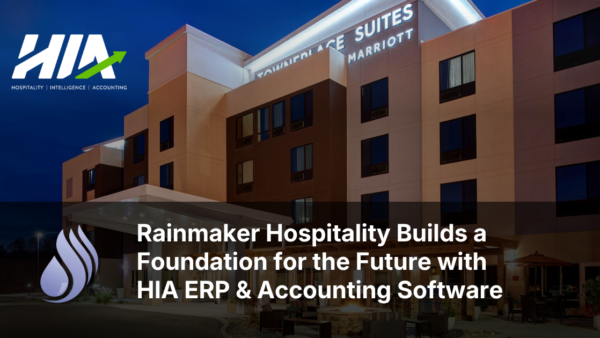
Rainmaker Hospitality Builds a Foundation for the Future with HIA ERP & Accounting Software

Rainmaker Hospitality Builds a Foundation for the Future with HIA ERP & Accounting Software

May 4, 2026
Platform Business Advisors scales smarter with HIA Hospitality ERP

Platform Business Advisors Scales Smarter with HIA Hospitality ERP

March 26, 2026

Downloads

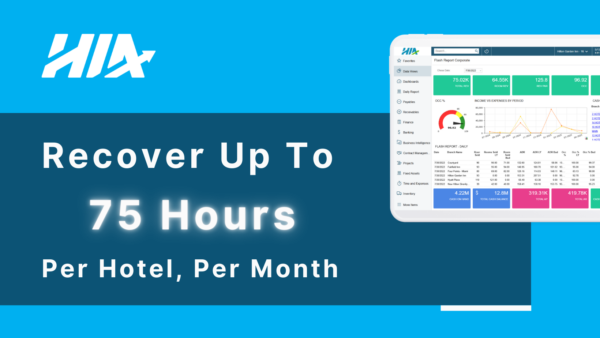
Recover Up to 75 Hours Per Hotel Per Month

Recover Up To 75 Hours Per Hotel, Per Month

December 15, 2025
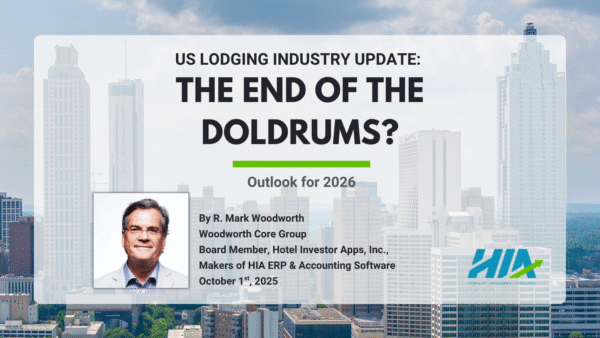
US Lodging Industry Update: The End of the Doldrums? Outlook for 2026 by R. Mark Woodworth

Outlook for 2026 – The End of the Doldrums?

October 22, 2025

Recent Videos

GOP Flex and Flow-Through Dashboard

New Feature – GOP Flex and Flow-Through Dashboard

April 2, 2026

8 Ways To Use AI In Hotel Accounting

May 27, 2025
HIA - Hospitality Intelligence Acconuting Logo HIA, A Product Of © Hotel Investor Apps Inc.
All rights reserved.

  • Website Terms Of Use
  • Privacy Policy
  • Application Privacy Policy
  • Contact Us
Award
2025 Travel and Hospitality Top Hotel ERP Solution
Award
2025 Acumatica Excellence Award Vertical Innovation
Award
2026 Acumatica Excellence Award Vertical Innovation
Award
2026 HTR Finalist Best Hotel Accounting Software
Award
Level 1 Certfied Customer Support
10 Years
10 Years of Empowering Hotel Management Excellence