

HIA Image
Press Release: HIA Launches 4 AI Features Built Natively into its Hospitality ERP
Hotel ERP and Accounting Software Logo Hotel ERP and Accounting Software Logo
  • Home
  • Platform
      Hospitality Accounting & Operations
    • AI-Powered Platform
      Backoffice Automations

    • Hotel ERP Platform
      Ops & Accounting Clarity

    • Integrations
      60+ Hospitality Specific
    • Features & Capabilities
      Built for Hotels

    • GSS Analysis
      Rep Mgmt, Comp Sets, Rate Intel
    • Business Intelligence
      Your Whole Hospitality Timeline
    • Mobile App
      Your Backoffice in Your Pocket
  • Features By Role
    • For Finance Teams
    • For Operations
    • For Executives
    • For Owners
  • About Us
    • Executive Team
    • Acumatica
    • Awards
    • Board of Directors
    • Support
    • Careers
    • Contact Us
  • Resources
    • Blog
    • In The News
    • Customer Stories
    • Guides & Downloads
    • Videos
Request A Demo

Hotel Business Intelligence: What Operators Need Before The Dashboard

August 17, 2026
By Hopper Flynn
  • Features: Operations
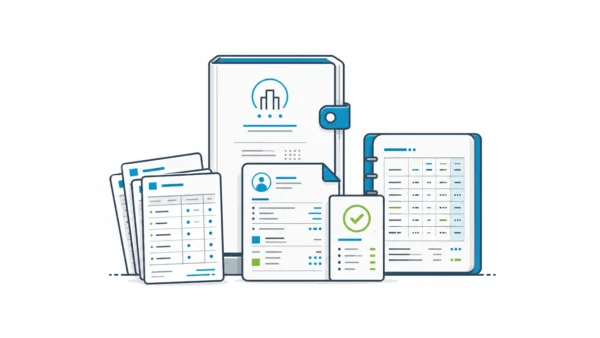
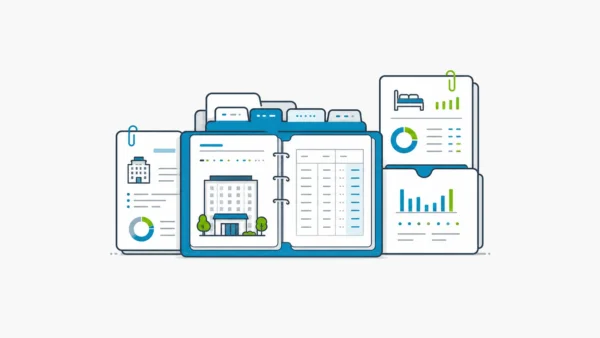
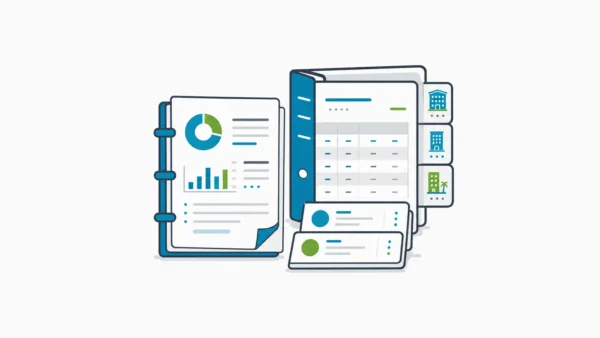
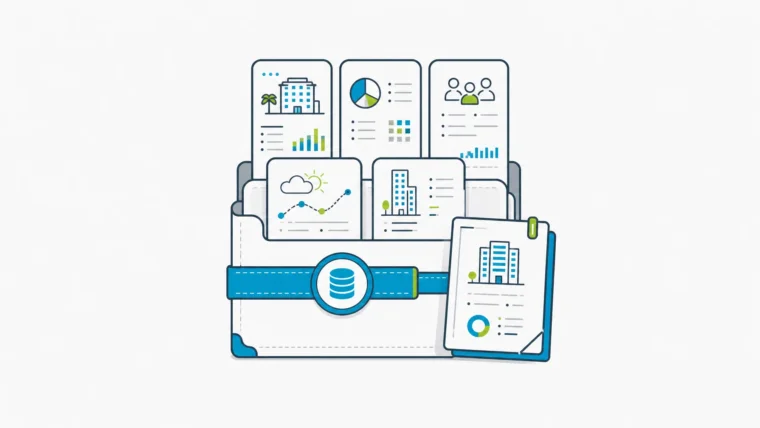
Hotel business intelligence source-of-truth folio with property activity, finance, labor, forecast, and owner reporting cards.

Hotel business intelligence is easy to make look impressive in a demo. A dashboard can show charts, filters, KPIs, comparisons, alerts, and portfolio views. But for hotel operators, the more important question comes before the dashboard.

Can the team trust the data underneath it?

If BI is built on stale exports, disconnected PMS files, inconsistent property mappings, spreadsheet adjustments, and partially reconciled numbers, the dashboard may look modern while the management process stays slow. HIA approaches hotel business intelligence from the ERP foundation up, so hotel teams can connect operating activity, accounting, labor, forecasts, budgets, mobile workflows, and owner reporting from one more reliable source of truth.

Hotel BI Starts With The Source Of Truth

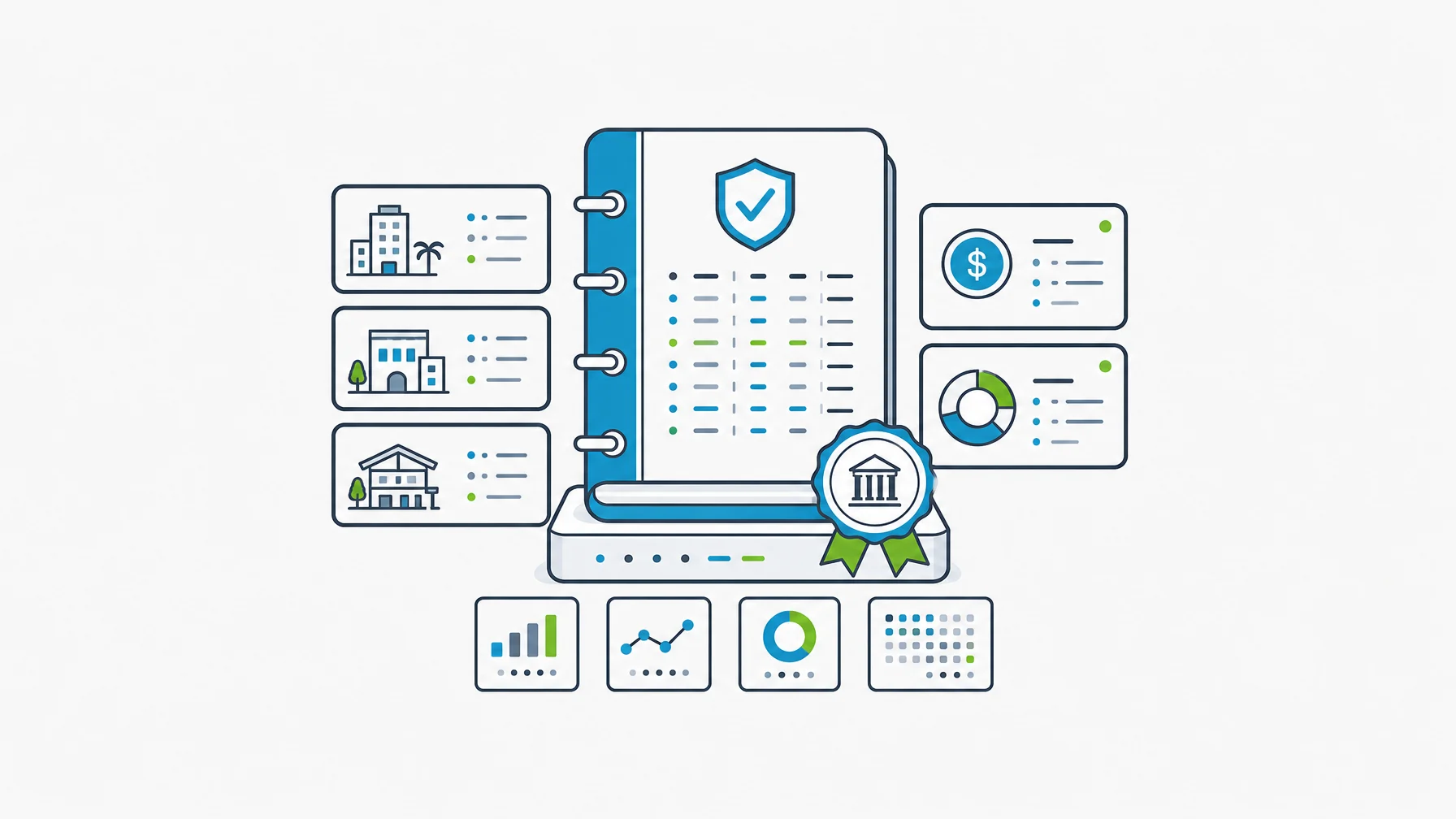
Governed hotel BI source-of-truth ledger with property activity cards, finance cards, and KPI tiles.

Business intelligence should help leaders see the business clearly. In hotels, that visibility depends on many moving parts: PMS activity, POS revenue, daily reports, labor, payroll, AP, banking, market data, budgets, forecasts, owner packets, and portfolio comparisons.

If those pieces live in separate tools, BI becomes another place where the team has to ask whether the numbers are final.

That is why HIA's business intelligence story is strongest when it is tied to HIA's hotel ERP platform. The dashboard is not floating above the operation. It is connected to the accounting and operating foundation where hotel data is governed, structured, and permissioned.

The practical value is confidence. A GM, controller, regional leader, revenue manager, owner, or asset manager can read the same operating story without waiting for finance to rebuild it in a separate spreadsheet.

The Dashboard Is Only As Good As The Handoff

The first BI failure usually happens before anyone opens the dashboard.

The PMS exports revenue one way. POS activity lands somewhere else. Labor data needs a different feed. A budget lives in a workbook. A controller adjusts a mapping. A property uses a different department structure. An owner asks for a portfolio view that combines all of it.

Each handoff can add delay or uncertainty. The hotel may still produce a report, but the process depends on people repairing the data path.

Current market conditions make that harder to tolerate. Deloitte's 2026 travel outlook describes travel companies managing cautious budgeting, demand shifts, data governance, and AI adoption at the same time. PwC's 2026 hospitality outlook points to modest RevPAR growth and a hotel environment where profitability still depends on disciplined execution.

In that environment, BI cannot be treated as a cosmetic reporting layer. It has to shorten the distance between the operating day and the decisions leaders need to make.

A Useful Dashboard Connects Yesterday, Today, And The Forecast

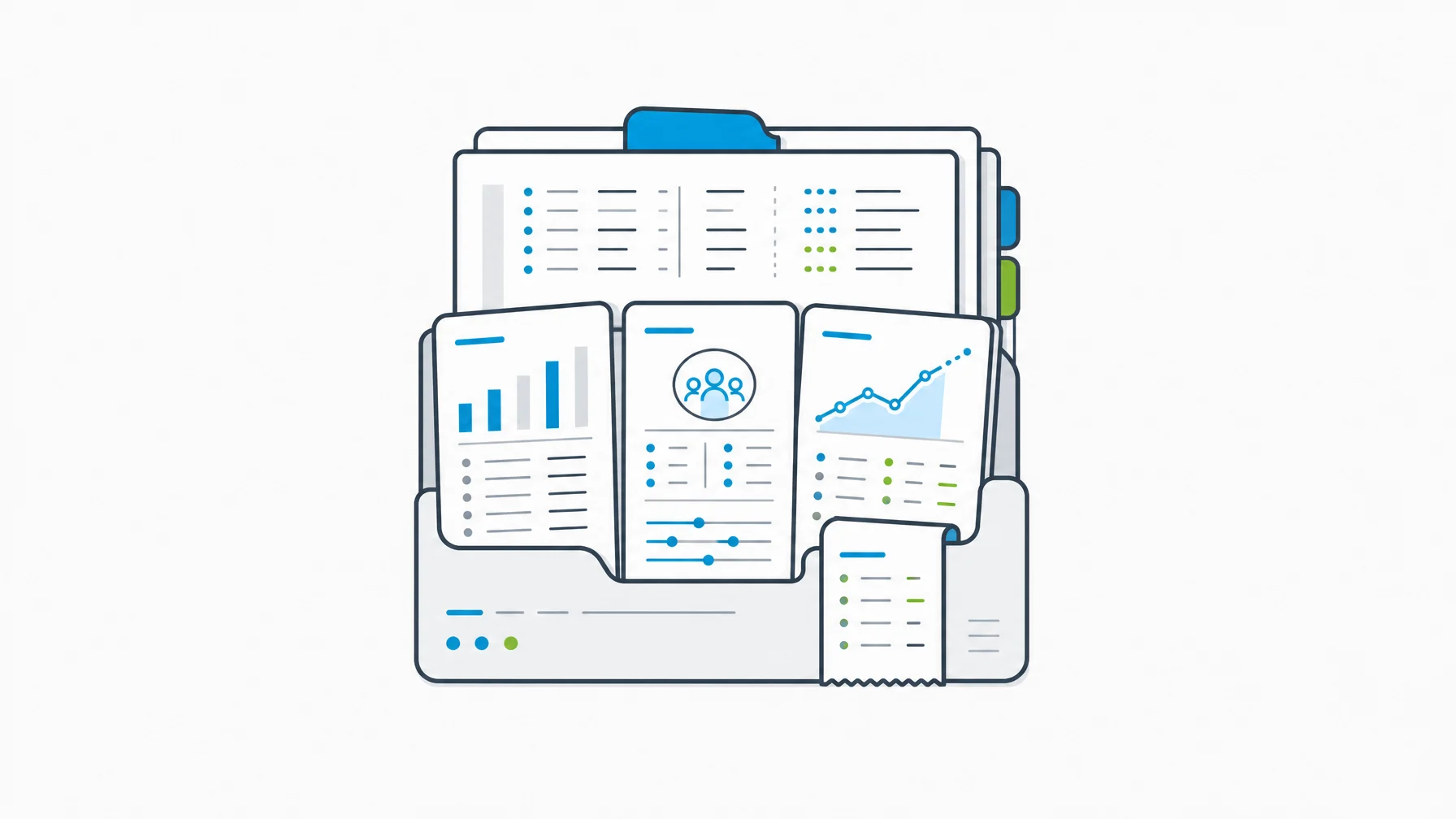
Hotel BI timeline packet with historical financials, current labor and operations, and forward-looking pace cards.

Hotel leaders do not manage from one time period.

The controller needs clean historical financials. The GM needs current operational pressure. The revenue leader needs OTB, pace, and forecast context. Ownership wants a portfolio story that explains what changed, what matters, and what the team is doing next.

HIA organizes BI around that hotel timeline:

  • looking back at financial performance
  • looking now at operations, labor, and property KPIs
  • looking forward through OTB, pace, forecasting, budgeting, and variance

That structure is useful because it matches the way hotel teams actually work. A variance does not mean much without the budget. Pace does not mean much without the forecast. Labor pressure does not mean much without current occupancy and operating context. Portfolio reporting does not mean much if each property is mapped differently.

Hotel business intelligence should bring those views together without forcing the team to stitch the story together after the fact.

Integrations Need To Produce Usable BI Data

Most hotels already depend on specialized systems. PMS, POS, payroll, banking, purchasing, payments, tax, time tracking, market data, document management, and communication tools each hold part of the operating day.

The integration question is not whether a vendor can list logos. The question is whether those feeds become usable hotel business intelligence.

HIA publicly frames its hospitality integrations around 60+ prebuilt connections across the hotel operating stack. That matters because BI depends on what those integrations produce. If the feed creates another reconciliation queue, the dashboard inherits the uncertainty. If the feed becomes governed ERP data, BI can help leaders compare properties, spot exceptions, and explain performance with more confidence.

A public HIA customer quote captures the point: "The integrations are working great and saving time. However, it is not all about time. It is about the quality of the information coming into the system, so that we can use that data. We are getting better data now than before."

Better BI starts with better incoming information.

Mobile And AI Should Extend Governed BI

Business intelligence is not only a desktop reporting exercise.

HIA's mobile app supports practical visibility and action: approvals, invoice image review, approve-or-deny notes, receipt capture, flash reporting, KPI checks, filters, and task visibility. That matters because hotel leaders often need to approve, review, or check performance while they are away from a desk.

AI should meet the same standard. Deloitte's hospitality AI report frames automation and prediction as practical tools for profitability and guest experience. For BI, useful AI should operate inside governed data and role-based permissions, not outside the system where the numbers still need to be verified.

HIA's AI-powered platform presents AI Assistant, Anomaly Detection, AI Agent Studio, and PMS Mapping AI as capabilities inside the HIA environment. That direction matters because hotel business intelligence is not only about viewing data. It is about asking better questions, spotting exceptions earlier, mapping data more cleanly, and helping teams act from the same trusted foundation.

Owners Need The Business Story, Not Another Screenshot

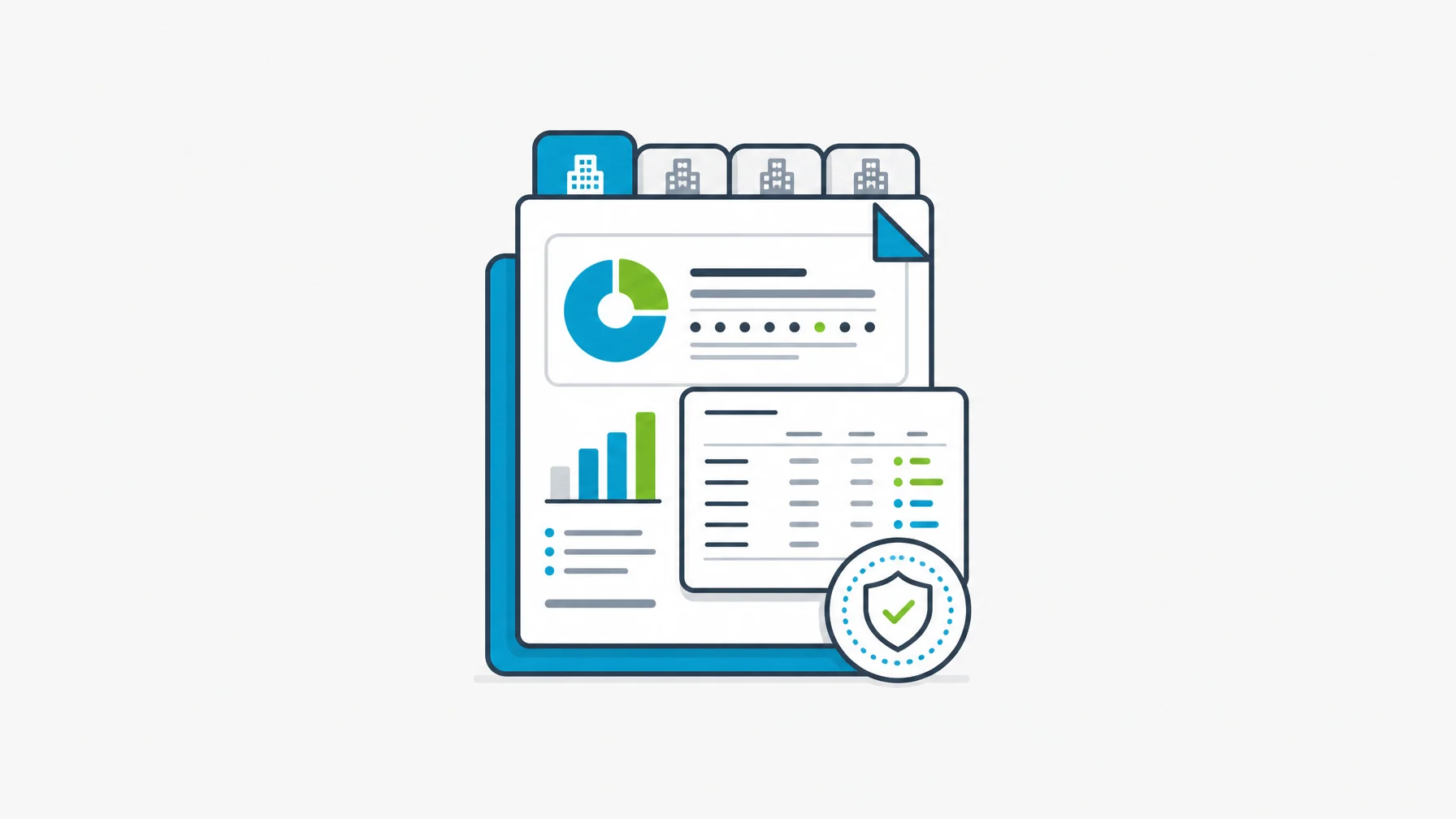
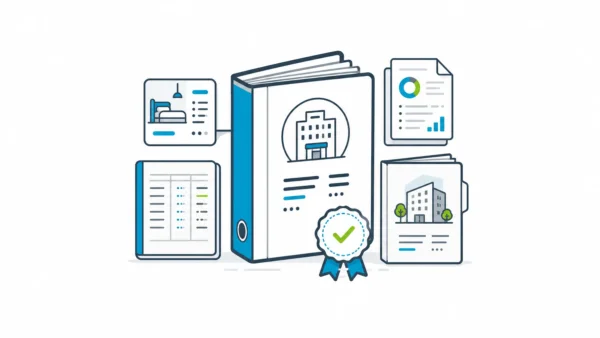
Owner reporting packet with BI summary, budget variance card, property tabs, and governed source-of-truth seal.

Owners and asset managers usually do not need more screenshots. They need a clear explanation of performance.

What changed?

Which property needs attention?

Is the issue revenue, labor, expenses, guest demand, budget variance, timing, or data quality?

What should management do next?

That is where hotel business intelligence has to become a management tool. A dashboard that simply displays numbers still leaves the team to explain the business story. A governed BI foundation helps connect the pieces: historical financials, current operations, labor pressure, OTB, pace, budgets, variance, approvals, and portfolio reporting.

HIA's features and capabilities are strongest when understood through that owner-ready lens. Daily reporting, accounting workflows, AP and AR, approvals, banking, dashboards, property visibility, and role-based access all support the same outcome: leaders can see the hotel business with less manual reconstruction.

What Strong Hotel Business Intelligence Looks Like

Strong hotel BI has a few recognizable patterns:

  • PMS, POS, accounting, labor, and market data feed a governed foundation.
  • Dashboards connect historical financials, current operations, and forward-looking pace or budget work.
  • Controllers do not have to rebuild the story before leaders can trust it.
  • GMs and regional leaders can see property performance while the information is still current.
  • Owners receive a business explanation, not a spreadsheet assembled after the fact.
  • Mobile access supports quick action and visibility without weakening permissions.
  • AI operates inside governed hotel data and helps with questions, exceptions, mappings, and workflows.
  • Portfolio reporting stays comparable as the property count grows.

Those patterns decide whether BI becomes a useful operating discipline or another reporting layer the team has to manage.

Key Takeaways

  • Hotel business intelligence is only as useful as the data foundation underneath it.
  • BI should connect PMS activity, accounting, labor, OTB, pace, budgets, forecasts, and owner reporting.
  • HIA ties BI to a hospitality ERP foundation so dashboards read from governed hotel data.
  • Mobile and AI are strongest when they extend the same permissions and source of truth.
  • Owners need BI to explain the business story, not simply display more numbers.

FAQ

What is hotel business intelligence?

Hotel business intelligence is the reporting and analysis layer hotel teams use to understand financial performance, current operations, labor, KPIs, OTB, pace, forecasts, budgets, variance, and portfolio results. It helps leaders turn hotel data into management decisions.

Why does hotel BI need ERP data?

Hotel BI needs ERP data because dashboards are only trustworthy when the source information is governed. ERP connects accounting, daily reports, approvals, integrations, permissions, and financial structures. Without that foundation, BI often depends on exports and spreadsheet adjustments that finance still has to verify.

Is hotel business intelligence the same as a dashboard?

No. A dashboard is one way to display BI. Hotel business intelligence is the broader discipline of connecting data, reporting, analysis, exceptions, forecasts, budgets, and management workflows. A good dashboard should be the visible output of a reliable data foundation.

What should hotel owners expect from BI?

Owners should expect timely visibility, consistent portfolio reporting, trusted financial data, and a clear explanation of what changed. They should also expect property comparisons that do not require manual spreadsheet work before the numbers can be trusted.

What should controllers look for in hotel BI?

Controllers should look for BI that reads from clean accounting and operating data, respects permissions, supports consistent property structures, and does not require repeated manual reconciliation. The dashboard should reduce reporting work, not create another validation step.

How does BI support hotel operations?

BI supports hotel operations by showing current occupancy, labor pressure, revenue activity, flash reporting, KPI movement, property comparisons, and exceptions. It is most useful when operational views connect back to finance and reporting context.

How does BI support revenue management?

BI supports revenue management by connecting OTB, pace, forecast, budget, variance, and actual performance. It helps teams understand whether demand, pricing, labor, or expense pressure is changing the business picture.

Why are integrations important for hotel BI?

Integrations decide whether PMS, POS, payroll, banking, purchasing, payment, and market-data systems become usable BI data. The value is not only importing files. The value is making those feeds reliable enough for reporting and decisions.

Should hotel BI include mobile access?

Yes, when mobile access supports practical action and visibility. KPI checks, flash reporting, approvals, task visibility, and owner or GM access can be useful on mobile. Deep analysis may still belong on a larger screen.

Where does AI fit in hotel business intelligence?

AI fits best when it operates inside governed hotel data and permissions. Useful AI can answer questions, flag anomalies, assist with PMS mapping, summarize patterns, and support workflows without bypassing controls.

Request a demo

« Hotel Property Management System: What Operators Need Beyond The PMS
Hopper Flynn
Hopper Flynn
AI Collaborator Hopper Flynn, covers hotel technology and the back office for HIA, from real-time data to the daily realities of running a portfolio.

Recent Posts

Native vs Third-Party AI: Why Two AI Solutions Can Give You Very Different Answers

Native vs Third-Party AI: Why Two AI Solutions Can Give You Very Different Answers

July 29, 2026
More AI, More Control: What Hotel GM's Should Expect From Automation

More AI, More Control: What Hotel GMs Should Expect From Automation

July 14, 2026

In The News

HIA Promotes Two Senior Leaders, Launches Dedicated Customer Success Department

July 2, 2026
HIA Launches 4 AI Features Built Natively into its Hospitality ERP

HIA Launches 4 AI Features Built Natively into its Hospitality ERP

June 17, 2026

Case Studies

Rainmaker Hospitality Builds a Foundation for the Future with HIA ERP & Accounting Software

Rainmaker Hospitality Builds a Foundation for the Future with HIA ERP & Accounting Software

May 4, 2026
Platform Business Advisors scales smarter with HIA Hospitality ERP

Platform Business Advisors Scales Smarter with HIA Hospitality ERP

March 26, 2026

Downloads

Recover Up to 75 Hours Per Hotel Per Month

Recover Up To 75 Hours Per Hotel, Per Month

December 15, 2025
US Lodging Industry Update: The End of the Doldrums? Outlook for 2026 by R. Mark Woodworth

Outlook for 2026 – The End of the Doldrums?

October 22, 2025

Recent Videos

3 Best Practices For a Success Hotel Accounting Software Implementation

3 Best Practices for Hotel Accounting Software Implementation

June 23, 2026

1-Minute HIA Overview

June 23, 2026
Hotel property management system folio beside a governed ERP binder with property, finance, approval, and owner-reporting objects.

Hotel Property Management System: What Operators Need Beyond The PMS

August 14, 2026
Hotel ERP source-of-truth binder with property activity cards, finance ledger, approval stamp, BI folio, and owner-reporting packet.

Hotel ERP: What Operators Need Before The Stack Gets Harder To Manage

August 13, 2026
Hotel budgeting source-of-truth binder with planning slips, property tabs, and owner packet details.

Hotel Budgeting: How Operators Build Plans They Can Actually Manage

August 12, 2026
Hospitality accounting close binder with room revenue cards, AP approval stamp, bank drawer, and owner-reporting folio.

Hospitality Accounting: What Hotel Finance Teams Need From The Operating Day

August 11, 2026
HIA - Hospitality Intelligence Acconuting Logo HIA, A Product Of © Hotel Investor Apps Inc.
All rights reserved.

  • Website Terms Of Use
  • Privacy Policy
  • Application Privacy Policy
  • Contact Us
Award
2025 Travel and Hospitality Top Hotel ERP Solution
Award
2025 Acumatica Excellence Award Vertical Innovation
Award
2026 Acumatica Excellence Award Vertical Innovation
Award
2026 HTR Finalist Best Hotel Accounting Software
Award
Level 1 Certfied Customer Support
10 Years
10 Years of Empowering Hotel Management Excellence