

HIA Image
Press Release: HIA Launches 4 AI Features Built Natively into its Hospitality ERP
Hotel ERP and Accounting Software Logo Hotel ERP and Accounting Software Logo
  • Home
  • Platform
      Hospitality Accounting & Operations
    • AI-Powered Platform
      Backoffice Automations

    • Hotel ERP Platform
      Ops & Accounting Clarity

    • Integrations
      60+ Hospitality Specific
    • Features & Capabilities
      Built for Hotels

    • GSS Analysis
      Rep Mgmt, Comp Sets, Rate Intel
    • Business Intelligence
      Your Whole Hospitality Timeline
    • Mobile App
      Your Backoffice in Your Pocket
  • Features By Role
    • For Finance Teams
    • For Operations
    • For Executives
    • For Owners
  • About Us
    • Executive Team
    • Acumatica
    • Awards
    • Board of Directors
    • Support
    • Careers
    • Contact Us
  • Resources
    • Blog
    • In The News
    • Customer Stories
    • Guides & Downloads
    • Videos
Request A Demo

Hotel Budgeting: How Operators Build Plans They Can Actually Manage

August 12, 2026
By Hopper Flynn
  • Accounting software
  • Hotel accounting software
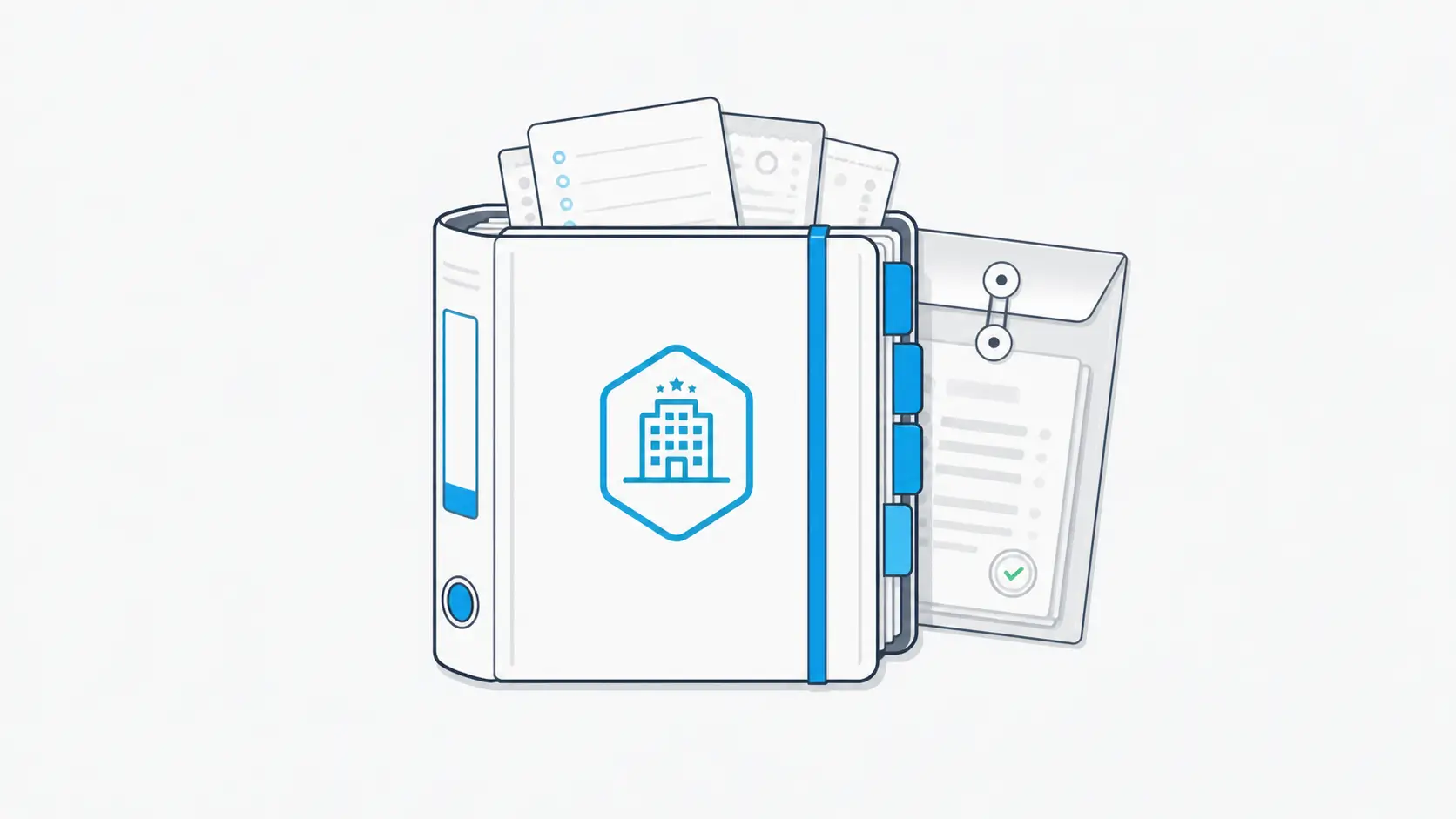
Hotel budgeting source-of-truth binder with planning slips, property tabs, and owner packet details.

Hotel budgeting is where operating ambition meets financial discipline. A hotel can have a detailed annual budget, a capable PMS, a revenue forecast, and a weekly owner packet, but leaders still lose confidence when those pieces do not connect.

The issue is not whether finance can build a spreadsheet. The issue is whether the budget can keep pace with actual hotel activity.

HIA gives hotel operators a hospitality-specific ERP foundation so budgets, forecasts, daily reports, approvals, BI, and owner visibility can work from the same operating and accounting truth.

Hotel Budgeting Starts With The Operating Day

Budgeting often gets treated as a seasonal finance project. Teams gather history, ask department leaders for assumptions, build room revenue expectations, estimate labor and expenses, review owner requirements, and lock the plan.

That plan only matters if the hotel can manage against it once the year begins.

Every operating day creates budget signals. Occupancy changes. ADR moves. Group pickup shifts. Labor pressure shows up by department. Invoices arrive. Maintenance work changes expense timing. A GM wants to know whether the month is drifting. Ownership wants a credible explanation before variance becomes a surprise.

HIA's hotel ERP platform is built around that practical management problem. It connects hotel accounting, daily reporting, approvals, business intelligence, integrations, mobile visibility, and role-based access inside one hospitality-specific environment.

A Budget Without Current Hotel Data Gets Stale Fast

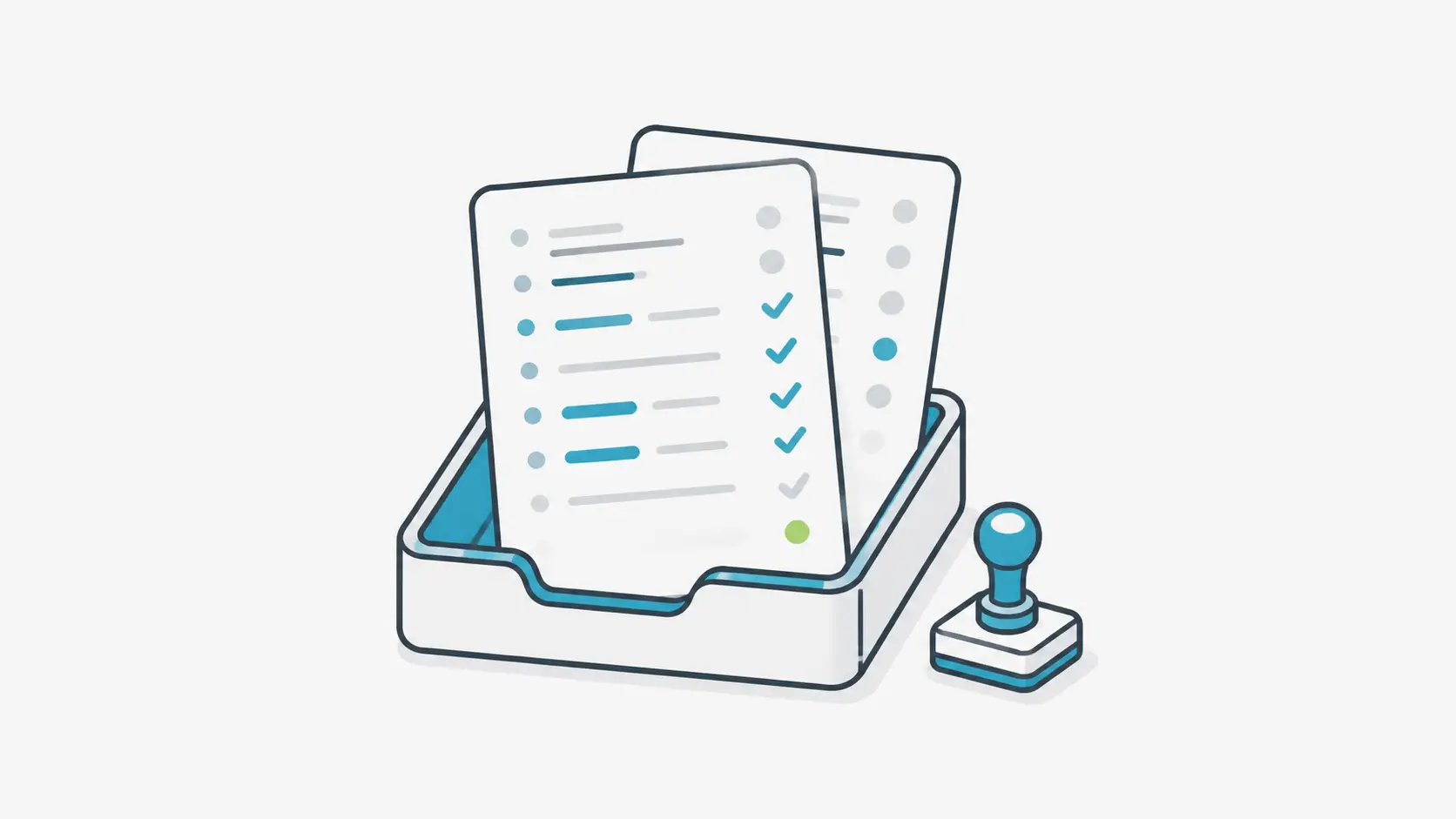
Hotel budgeting variance ledger tray with audit stamp and clean review pages.

Hotel budgeting depends on assumptions, but it should not stay trapped in assumptions.

The market keeps moving. PwC's May 2026 U.S. Hospitality Directions projects 2.9% year-over-year RevPAR growth for 2026, with demand growth outpacing supply growth. That sounds constructive, but it does not remove the need for discipline. Deloitte's 2026 travel outlook points to financial caution and economic uncertainty reaching higher-spending travelers.

That is the environment where static budgeting breaks down. A budget built in October may look reasonable in January and tired by April. If the hotel cannot compare actuals, pace, labor, AP, and forecast changes quickly, leaders end up managing around the budget instead of managing with it.

HIA's business intelligence story is useful here because it follows the hotel timeline: looking back at financial performance, looking now at operations and labor, and looking forward through OTB, pace, forecasting, budgeting, and variance.

PMS And POS Activity Need To Feed The Financial Plan

Hotel budgeting data intake folio gathering PMS, POS, and invoice activity into one planning record.

Budget variance starts with source data.

Room revenue may come from the PMS. Food and beverage activity may come from POS. Labor may come from another system. Invoices move through AP. Banking and payments add another layer. If those inputs land in disconnected tools, finance has to translate the operating day before leaders can compare plan to reality.

That translation work slows the budget conversation. A department may be over budget, but the question becomes whether the number is current, whether the posting is clean, whether the invoice timing is right, or whether the dashboard is reading from the same data finance will close.

HIA's integrations positioning matters because integrations are not just technical plumbing. HIA publicly frames its platform around 60+ hospitality-specific connections across PMS, POS, payroll, payments, banking, purchasing, market data, tax, time tracking, communication, and document management.

A public HIA customer quote makes the point plainly: "The integrations are working great and saving time. However, it is not all about time. It is about the quality of the information coming into the system, so that we can use that data. We are getting better data now than before."

Better hotel budgeting starts with better incoming information.

Budget Owners Need Workflows, Not Another Spreadsheet Request

A budget is not managed by finance alone.

GMs, controllers, department leaders, corporate finance, revenue teams, owners, and asset managers all touch the plan from different angles. One person needs labor context. Another needs AP timing. Another needs room revenue pace. Another needs capital expense visibility. Another needs the owner-facing story.

When budget management happens through email chains and spreadsheet requests, accountability gets weaker. People ask for the latest file. Someone manually updates a variance tab. Another person waits for supporting detail. Approval timing drifts away from the budget impact.

HIA's features and capabilities connect daily reporting, AP and AR, approvals, dashboards, banking, property visibility, and role-based access in one ERP-centered system. That gives hotel teams a better way to turn budget questions into workflow: review the number, inspect the source, approve the action, and keep the audit trail intact.

Portfolio Budgeting Requires Consistency Across Properties

One hotel can sometimes survive budgeting workarounds because local leaders know the story behind the numbers.

A portfolio cannot depend on that.

As property count grows, hotel budgeting needs consistent structures:

  • property and department dimensions
  • chart of accounts discipline
  • PMS and POS import rules
  • owner reporting formats
  • budget versions and approval paths
  • labor and expense category consistency
  • shared variance definitions
  • permissioned access by role
  • reporting that supports property, regional, corporate, and ownership views

The goal is not to make every hotel identical. The goal is to make each property's performance comparable enough for leaders to act.

Disconnected budgeting makes portfolio work harder because every property becomes its own translation exercise. HIA helps by giving hotel groups a shared ERP foundation where property-level detail can remain intact while corporate leaders see a consistent rollup.

Mobile And AI Should Support Budget Decisions Inside Controls

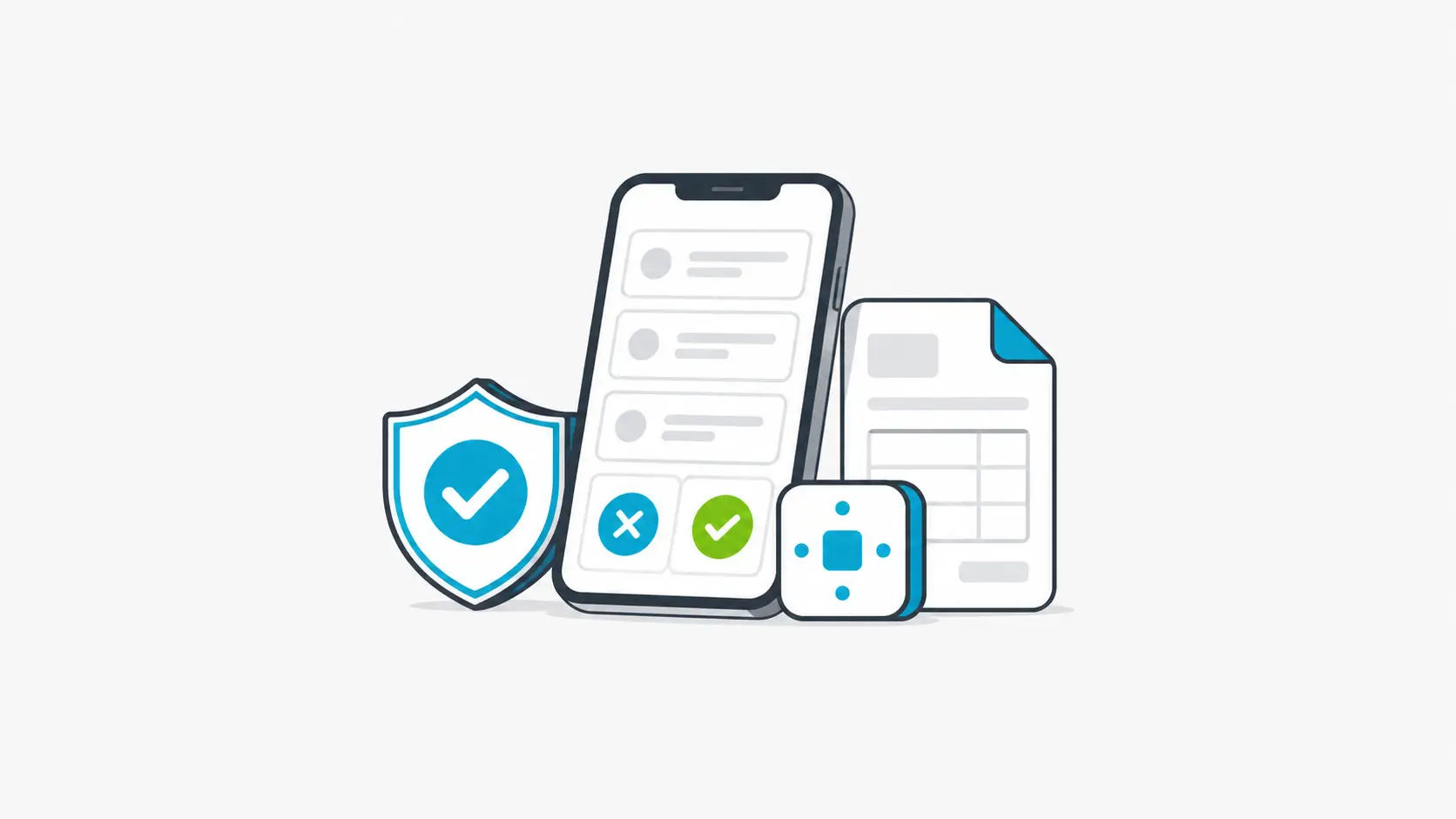
Hotel budgeting mobile approval kit with invoice review, audit shield, and governed assistant details.

Budget pressure rarely waits for the next scheduled meeting.

A GM may need to approve an invoice, check a KPI, or review a flash report away from the desk. A controller may need to spot an exception before close. A revenue or finance leader may need to understand whether a variance is timing, volume, rate, labor, or coding.

HIA's mobile app supports practical moments such as mobile approvals, invoice image review, approve-or-deny notes, receipt capture, flash reporting, KPI checks, filters, and task visibility. That matters because budget control is often about timely action, not more meetings.

AI should pass the same test. Deloitte's hospitality AI report frames automation and prediction as tools for profitability and guest satisfaction. For hotel budgeting, useful AI should work inside governed data and permissions, helping teams ask questions, detect anomalies, map data, and understand workflow exceptions.

HIA's AI-powered platform presents AI Assistant, Anomaly Detection, AI Agent Studio, and PMS Mapping AI as capabilities inside the HIA environment. That is the right standard: assistance inside the same system where financial planning, controls, and operating data already live.

What Strong Hotel Budgeting Looks Like

Strong hotel budgeting has recognizable patterns:

  • Budget assumptions connect to actual hotel operating data.
  • PMS, POS, payroll, AP, banking, and market-data feeds support variance review.
  • GMs and department leaders can see the numbers they are responsible for managing.
  • Controllers can explain variance without rebuilding source data by hand.
  • Owners receive a timely story that matches the financial system.
  • Portfolio leaders can compare properties without custom spreadsheet cleanup.
  • Mobile workflows support approvals and quick visibility without weakening controls.
  • AI operates inside governed permissions and hotel data.

These patterns turn the budget from a static file into a management system.

Key Takeaways

  • Hotel budgeting should connect annual plans to current operating and accounting data.
  • Static spreadsheets lose value when PMS, POS, labor, AP, and owner reporting live in separate systems.
  • HIA gives hotel teams a hospitality-specific ERP foundation for budgets, forecasts, BI, approvals, and portfolio visibility.
  • Integrations matter because they determine whether incoming hotel data is usable for variance review.
  • Mobile and AI are strongest when they extend governed budget workflows inside the same source-of-truth environment.

FAQ

What is hotel budgeting?

Hotel budgeting is the process of planning and managing a hotel's expected revenue, expenses, labor, capital needs, cash flow, and ownership reporting. It usually includes annual planning, forecast updates, department assumptions, variance review, and portfolio reporting. The work is strongest when it connects to current operating and accounting data.

Why is hotel budgeting difficult?

Hotel budgeting is difficult because hotel performance changes daily. Occupancy, ADR, group pickup, labor, invoices, deposits, and operating exceptions all affect the plan. If those inputs live in separate systems, finance has to rebuild the story before leaders can act.

Is hotel budgeting just a spreadsheet process?

No. Spreadsheets may still be used for analysis, but the budgeting workflow should connect to the systems that hold actual hotel activity. A spreadsheet-only process can become stale when actuals, forecasts, approvals, and owner reporting are managed somewhere else.

How does ERP help hotel budgeting?

ERP helps by giving hotel teams a shared foundation for accounting, reporting, approvals, integrations, permissions, and portfolio visibility. That makes it easier to compare budget, forecast, and actual activity without rebuilding the data by hand.

What hotel data should feed the budget?

Useful budget review should include PMS activity, POS data, payroll and labor context, AP, AR, banking, purchasing, market data, forecasts, and financial actuals. The point is not to collect more data. The point is to make the data trustworthy enough for decisions.

How does BI support hotel budgeting?

BI helps leaders see budget performance across time: historical financials, current operations, labor pressure, OTB, pace, forecasts, and variance. It is most useful when the dashboard reads from governed accounting and operating data rather than stale exports.

Why does hotel budgeting matter for owners?

Owners need a credible view of how the property or portfolio is performing against plan. They also need timely explanations when variance appears. A connected budgeting foundation helps ownership reporting reflect the same numbers finance and operations are using.

What should controllers look for in hotel budgeting software?

Controllers should look for budget and forecast visibility, clean actuals, AP workflow context, approval trails, consistent property structures, and reporting that ties to the ledger. They should also ask whether the system can support owner reporting without manual packet assembly.

Should hotel budgeting include mobile workflows?

Yes, when mobile supports practical action. Approvals, invoice review, KPI checks, flash reporting, and task visibility can all affect budget control. Mobile workflows should preserve the same permissions and audit discipline as the main system.

Where does AI fit in hotel budgeting?

AI fits best when it operates inside governed hotel data and permissions. Useful AI can help answer budget questions, detect anomalies, assist with mappings, and support workflow automation. It should not replace clean source data or financial review.

Request a demo
« Hospitality Accounting: What Hotel Finance Teams Need From The Operating Day Hotel ERP: What Operators Need Before The Stack Gets Harder To Manage »
Hopper Flynn
Hopper Flynn
AI Collaborator Hopper Flynn, covers hotel technology and the back office for HIA, from real-time data to the daily realities of running a portfolio.

Recent Posts

Native vs Third-Party AI: Why Two AI Solutions Can Give You Very Different Answers

Native vs Third-Party AI: Why Two AI Solutions Can Give You Very Different Answers

July 29, 2026
More AI, More Control: What Hotel GM's Should Expect From Automation

More AI, More Control: What Hotel GMs Should Expect From Automation

July 14, 2026

In The News

HIA Promotes Two Senior Leaders, Launches Dedicated Customer Success Department

July 2, 2026
HIA Launches 4 AI Features Built Natively into its Hospitality ERP

HIA Launches 4 AI Features Built Natively into its Hospitality ERP

June 17, 2026

Case Studies

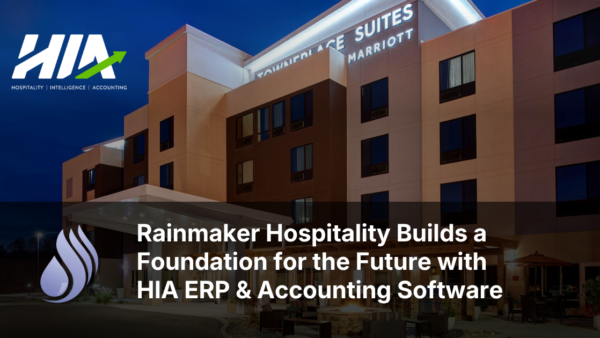
Rainmaker Hospitality Builds a Foundation for the Future with HIA ERP & Accounting Software

Rainmaker Hospitality Builds a Foundation for the Future with HIA ERP & Accounting Software

May 4, 2026
Platform Business Advisors scales smarter with HIA Hospitality ERP

Platform Business Advisors Scales Smarter with HIA Hospitality ERP

March 26, 2026

Downloads

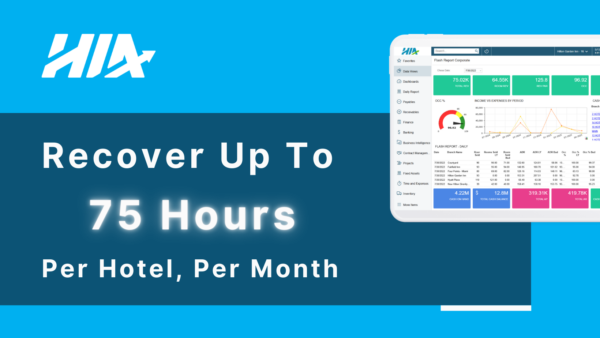
Recover Up to 75 Hours Per Hotel Per Month

Recover Up To 75 Hours Per Hotel, Per Month

December 15, 2025
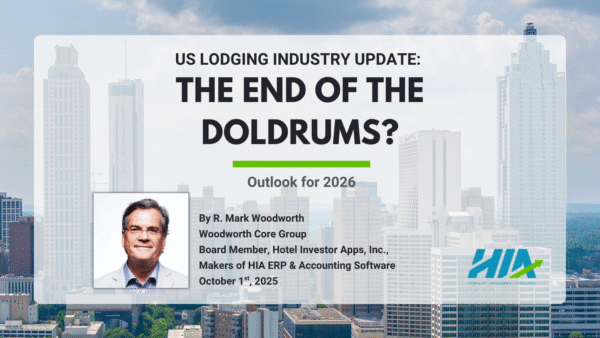
US Lodging Industry Update: The End of the Doldrums? Outlook for 2026 by R. Mark Woodworth

Outlook for 2026 – The End of the Doldrums?

October 22, 2025

Recent Videos

3 Best Practices For a Success Hotel Accounting Software Implementation

3 Best Practices for Hotel Accounting Software Implementation

June 23, 2026

1-Minute HIA Overview

June 23, 2026
Hotel business intelligence source-of-truth folio with property activity, finance, labor, forecast, and owner reporting cards.

Hotel Business Intelligence: What Operators Need Before The Dashboard

August 17, 2026
Hotel property management system folio beside a governed ERP binder with property, finance, approval, and owner-reporting objects.

Hotel Property Management System: What Operators Need Beyond The PMS

August 14, 2026
Hotel ERP source-of-truth binder with property activity cards, finance ledger, approval stamp, BI folio, and owner-reporting packet.

Hotel ERP: What Operators Need Before The Stack Gets Harder To Manage

August 13, 2026
Hospitality accounting close binder with room revenue cards, AP approval stamp, bank drawer, and owner-reporting folio.

Hospitality Accounting: What Hotel Finance Teams Need From The Operating Day

August 11, 2026
HIA - Hospitality Intelligence Acconuting Logo HIA, A Product Of © Hotel Investor Apps Inc.
All rights reserved.

  • Website Terms Of Use
  • Privacy Policy
  • Application Privacy Policy
  • Contact Us
Award
2025 Travel and Hospitality Top Hotel ERP Solution
Award
2025 Acumatica Excellence Award Vertical Innovation
Award
2026 Acumatica Excellence Award Vertical Innovation
Award
2026 HTR Finalist Best Hotel Accounting Software
Award
Level 1 Certfied Customer Support
10 Years
10 Years of Empowering Hotel Management Excellence