
If you’ve spent enough time in hotel finance and operations, you’ve seen how the pressure to operate smarter, faster, and with more visibility (all while walking tighter margins) has grown exponentially in the past decade. The need for consolidation and access to everything in one place has never been more in demand.
It’s one of the key reasons Enterprise Resource Planning (ERP) solutions have gained real traction in the industry. They offer a single source of truth for financials, labor, and performance, essentially becoming the backbone of your operations. At first glance, it might seem that general ERPs can deliver the hospitality functionality you need, but choosing the right ERP solution isn’t always straightforward.
Hospitality industry demands are unique and as the only ERP purpose-built for hospitality, and exclusively serving the industry for over 10 years, HIA ERP and Accounting Software stands apart from general ERPs by delivering a tailored solution to meet the needs of hospitality organizations.
If you’re evaluating your next system (or reevaluating the one you have), here are the six key differences between general and HIA’s hotel-specific ERP that you can’t afford to overlook.
1. Industry Specific Standards
When hotel teams get into a general-purpose ERP, the first thing they notice is that the system just doesn’t think like a hotel, particularly when it comes to hotel financials. Many of the general options don’t have a built-in framework for USALI (Uniform System of Accounts for the Lodging Industry). Without it, teams don’t get:
- Department-level reporting that’s required to run a property
- Standardized statements that match how hotels measure performance
- A chart of accounts that reflects rooms, food and beverage, and other operated departments
So, teams end up trying to force a generic ERP structure into a hotel environment, which can mean months of customization, consultant hours, and trial and error only to wind up with a solution that still falls short.
A hospitality ERP, on the other hand, avoids all of that. It comes with USALI financials, reporting, and the chart of accounts already in place, so everything is organized the way hotel accounting actually works. No rebuilds. No consultants rewriting the framework. No compromises.
2. Hotel Daily Report – Out of the Box
If there’s one thing that’s non-negotiable, it’s the daily report. It’s the heartbeat of hotel performance, keeping every department aligned, giving leadership real visibility, and surfacing the revenue opportunities you’d miss otherwise; yet many generic ERPs don’t have this functionality out of the box.
To get one, teams often either need to custom-build one or bring in a third-party vendor to help. Both of these options come with added cost, time, and risks (especially when data has to be transferred manually between systems).
With a hospitality ERP, the Daily Report isn’t an afterthought. It’s already built, structured, and aligned with how hotels operate. Teams get:
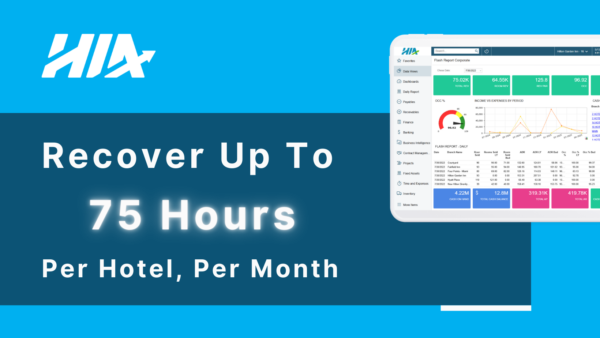
- Hotel-specific analytics and metrics for tracking performance at both the property and portfolio level.
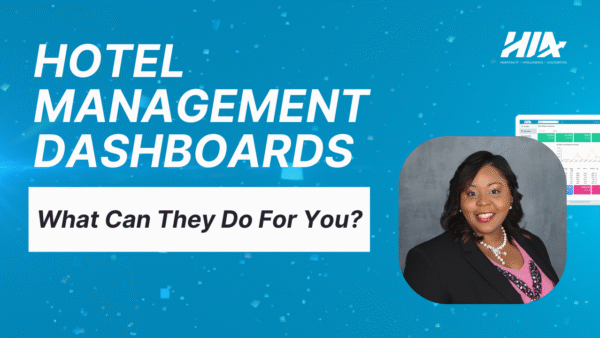
- Pre-built dashboards designed for hotel property teams and corporate management views.
- Automated PMS reconciliation that cleans and matches data automatically.
- Automated Daily Report delivery.
This lets leaders start the day with clean, reliable numbers they can act on.
3. Hotel-Specific Software Integrations
While most ERPs offer integration capabilities through open APIs or add-on connectors, they typically don’t have native connections for the hospitality tech stack. This can add a layer of complexity and cost to build these integrations or to contract with a third-party business intelligence program to pull in the data.
A hospitality ERP actually understands how core hotel systems work together, so the connectors are pre-built, the data mapping is already in place, and the workflows match how hotel teams operate. Everything talks to everything right out of the box.
HIA takes this further with 60+ hospitality integrations that are pre-built, tested, and fully maintained. This includes native connections to hospitality systems like HotStats, Avendra iBuy, Reeco, and dozens of PMS/POS platforms hotels rely on every day. Learn more about integrations.
4. Straightforward Pricing
As you may have seen, pricing for general ERPs is often less straightforward than it seems. Aside from any additional fees (whether in-house or outsourced) you might incur from having to customize the solution to fit hospitality needs, hotels can also end up paying for:
- User-based charges: Fees tied to the number of users, user types, and access levels.
- Extra modules and add-ons: Core modules, advanced modules (multi-entity, purchasing, inventory, fixed assets), and extra features that aren’t included in the base subscription.
- Property and Entity Growth: Additional fees for storage, transaction limits, reporting limits, or additional functions as you add properties or legal entities.
- Migration: The amount and state of data that needs to be migrated from existing sources.
- Ongoing support: Fees for maintenance, troubleshooting, and expertise, often sold as hourly consulting, annual retainers, or tiered support plans.
On top of that, the overall implementation process is often longer and more complex than an industry-specific solution, adding more strain to your team and delaying the system’s actual ROI.
All of these additional layers can make the total cost of ownership difficult to predict and higher than expected. As the only truly purpose-built hospitality ERP platform, HIA offers straightforward per-hotel pricing that includes support and no per-user fees.
5. Hotel-Specific Support
When an ERP becomes the backbone of your back office, you need a support team that actually understands how hotels run day to day. This is where other ERPs often still struggle because even if their product has been adapted for hospitality, the support behind it hasn’t.
If you hit a snag or need to create something, you can end up talking to a rep who doesn’t know hotel accounting, PMS/POS workflows, or why the issue even matters.
An ERP exclusively serving the hospitality industry, like HIA, doesn’t make you go through that. Their support teams already speak “Hotel.” They know the accounting, the daily reporting, the systems, the terminology—all of it. You’re not starting from zero every time you need help; you’re just getting the support you need.
6. Hotel-Specific Onboarding Team
Getting an ERP up and running is a heavy lift on its own. Its success depends on how well it’s implemented. The more experienced the onboarding team, the smoother the implementation.
Most general ERP platforms don’t have the hospitality expertise needed to configure the system fully, which leads to performance gaps and onboarding delays. To mitigate this, hotels often have to bring in outside consultants or implementation partners to bridge that knowledge gap and handle the customizations.
HIA’s hospitality ERP takes a completely different approach. Their support teams already know the ins and outs of hotels. They know what a COA should look like, how PMS data maps into financials, how multi-property workflows should behave, and what hotel leaders expect to see on day one. This results in configuration that moves faster, less strain on your staff, and a system that starts delivering value sooner.
To learn more about implementation best practices, be sure to check out our guide.
Closing Thoughts
At the end of the day, the difference between a general ERP and a hospitality-specific one comes down to fit, speed, and trust. Not all ERPs are built with hotels in mind, but if you have the budget, bandwidth, and patience to build workflows, oversee custom integrations, and manage ongoing support needs, they can work.
If, however, you’re looking for something that works out of the box, feels intuitive to your team, and supports hotel operations from day one, a hospitality-specific ERP is almost always the faster, cleaner, and more strategic choice.
If you’re ready to see what a purpose-built hospitality ERP looks like, schedule a demo.

Jaime Goss has over a decade of marketing experience in the hospitality industry. At Hotel Investor Apps, Jaime heads up marketing initiatives including brand strategy, website design, content, email marketing, advertising and press relations.